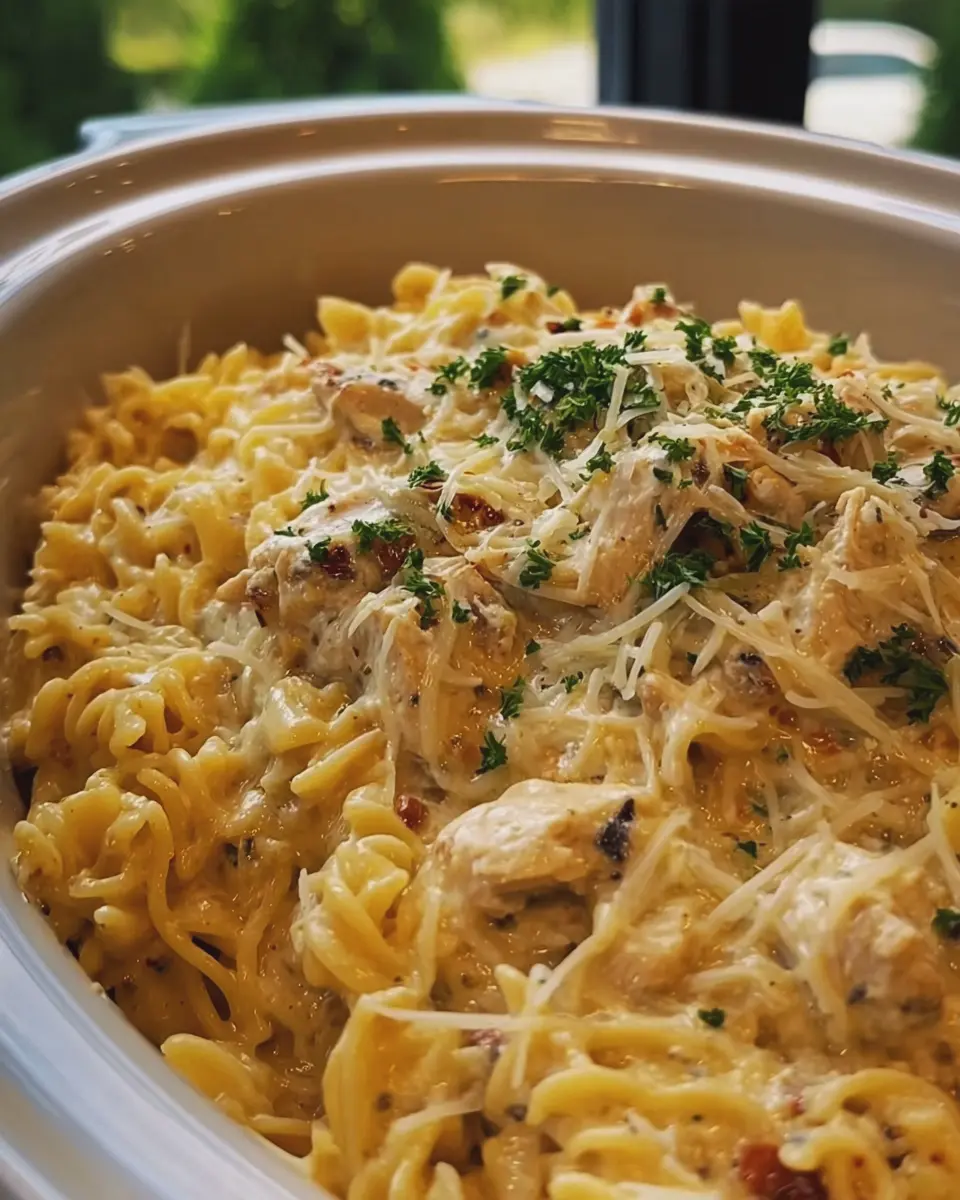
Introduction to Cantonese Chow Mein
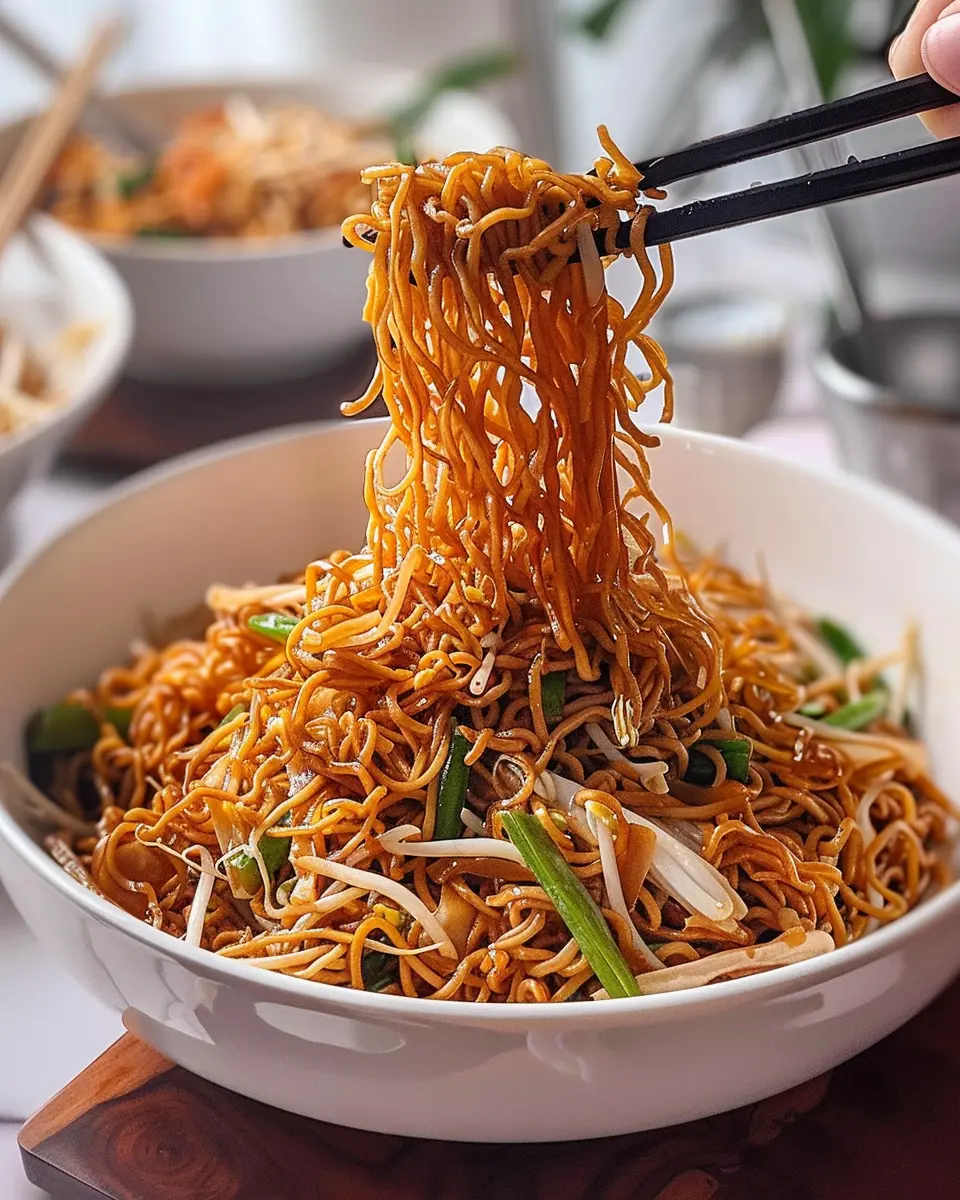
Cantonese Chow Mein is more than just a dish; it’s a culinary experience that embodies the rich flavors and textures of regional Chinese cuisine. Originating from southern China, this beloved noodle dish has found its way into homes and restaurants around the world. Cantonese Chow Mein stands out due to its unique combination of crisp stir-fried noodles layered with an array of colorful vegetables and protein choices, making it a perfect meal for busy young professionals.
What really makes Cantonese Chow Mein special is the method of preparation. Unlike other variations, Cantonese-style chow mein incorporates a technique called “stir-fry.” Essentially, the noodles are parboiled and then stir-fried quickly over high heat, resulting in a deliciously crispy texture that contrasts beautifully with the tender fillings. This cooking style not only locks in the flavors but also preserves the nutritional benefits of the fresh vegetables used.
To truly appreciate this dish, consider its soul-soothing qualities. The blend of ingredients, including vegetables like bell peppers, carrots, and bean sprouts, alongside proteins like Turkey Bacon or Chicken Ham, provides a well-balanced and wholesome meal. Each bite delivers a satisfying crunch, thanks to the beautifully fried noodles, coupled with savory flavors from the sauce and seasonings.
A great aspect of Cantonese Chow Mein is its versatility. You can easily customize it to suit your dietary preferences—whether you’re a meat lover or a vegetarian, there’s a version that will tickle your taste buds. And if you’ve ever thrown together a meal after a long day, you know how gratifying it is to create something so comforting and quick.
For those keen on taking their cooking skills to the next level, learning how to make Cantonese Chow Mein at home can be both fun and rewarding. Not only will you impress your friends at your next dinner party, but you’ll also enjoy a dish that’s authentic and tailored to your liking. If you want to delve deeper into the basics of Chinese cooking techniques, resources like the Chinese Culinary Institute can offer invaluable insights.
So, are you ready to embark on a flavorful journey? Let’s dive into the recipe for Cantonese Chow Mein and savor the joy of homemade Asian cuisine!
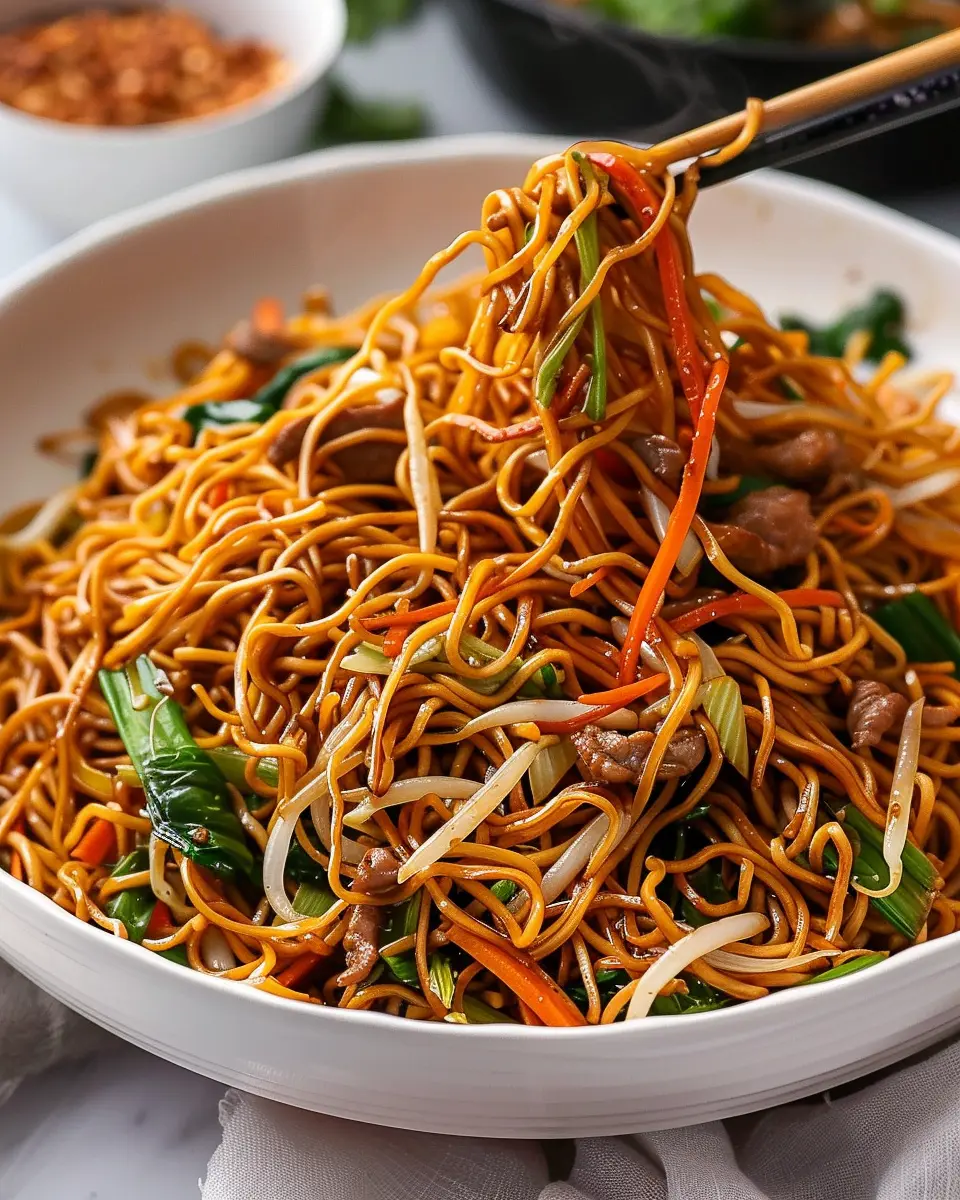
Ingredients for Cantonese Chow Mein
Creating a satisfying plate of Cantonese Chow Mein at home is easier than you might think! This flavorful dish thrives on fresh ingredients and a medley of textures. Here’s what you’ll need to whip up this classic meal:
Fresh Vegetables
- Bean sprouts: They add a delightful crunch.
- Carrots: Thinly sliced for sweetness and color.
- Bell peppers: Choose a mix of colors for visual appeal.
- Green onions: Chopped, for that fresh, oniony bite.
Essential Proteins
- Turkey bacon: This lean option substitutes beautifully for traditional pork.
- Chicken ham: Offers a savory, tender flavor.
- Beef: Thinly sliced for easy cooking and maximum flavor absorption.
Noodle and Sauce Staples
- Egg noodles: The base of your chow mein, providing structure and heartiness.
- Soy sauce: For that umami depth—go for low-sodium if you’d like to keep it healthier.
- Sesame oil: A little goes a long way in adding richness.
Looking to dive deeper into ingredient benefits? Check out Healthline, which discusses the nutritional perks of these veggies! With everything prepped and ready, you’re closer to a fantastic meal that caters to your taste buds. Enjoy the cooking journey!
Preparing Cantonese Chow Mein
Cantonese Chow Mein is a delightful dish that’s loved for its crispy texture and savory flavors. This recipe is not only appetizing but also a breeze to prepare, making it perfect for your weeknight dinners or even when you want to impress friends. In this section, we will walk through each step to create a mouthwatering Chow Mein that you’ll be proud to serve.
Cooking the noodles
The first step in preparing Cantonese Chow Mein is to cook the noodles properly. For this recipe, you’ll want to use egg noodles, which offer a wonderfully rich flavor.
- Bring a large pot of water to a boil. Add a pinch of salt for flavor.
- Add the noodles to the boiling water, and cook according to the package instructions. Typically, this will take about 3-5 minutes.
- Drain and rinse the noodles under cold water to stop the cooking process. This will prevent them from becoming mushy later on and helps to keep them firm for stir-frying. A tip: toss them lightly with a few drops of oil to help separate the strands.
While you’re waiting for the noodles to cook, it’s a great time to prep your sauce!
Preparing the stir-fry sauce
The sauce is what truly elevates this dish, giving your Cantonese Chow Mein depth and flavor. You’ll want to mix up a simple yet bold stir-fry sauce. Here’s what you’ll need:
- 3 tablespoons of soy sauce (preferably light soy sauce)
- 1 tablespoon of oyster sauce (or a vegetarian alternative)
- 1 teaspoon of sesame oil
- 1 teaspoon of cornstarch mixed with 2 tablespoons of water (this will help thicken the sauce)
Combine all these ingredients in a bowl and give them a good whisk until fully blended. This sauce will bring everything together beautifully.
Sautéing the aromatics
Next up is the aromatics, which give your dish its irresistible fragrance and flavor profile.
- Heat a wok or large frying pan over medium-high heat. Add a splash of vegetable oil (or your choice of oil).
- Toss in minced garlic and ginger. Sauté them for about 30 seconds until fragrant, but be careful not to let them burn. The sold-out tip here is to use fresh ingredients for the best flavor.
Feel free to get creative; adding a bit of chopped scallions can give an extra kick of flavor and a pop of color.
Pan-frying the noodles
Now, it’s time to make those noodles crispy!
- Add the drained noodles to the hot wok. You want to spread them out in an even layer rather than stirring immediately.
- Let them sit for 2–3 minutes, allowing the bottom to crisp up slightly before flipping.
- Use a spatula to gently flip the noodles, allowing each side to get some golden-brown loveliness.
This step is crucial for achieving that delightful texture unique to Cantonese Chow Mein.
Adding vegetables and sauce
Adding a rainbow of vegetables not only enhances the dish’s visual appeal but also contributes to its nutritional value.
- Add your choice of mixed vegetables, such as bell peppers, bean sprouts, and snap peas, to the noodles. Stir-fry for about 1–2 minutes until they are vibrant but still crisp.
- Pour in the stir-fry sauce and mix everything well, ensuring the noodles and veggies are coated. The cornstarch in the sauce will help create a glossy finish. Cook for an additional minute until everything is heated and well combined.
Final touches and serving
You’re almost there! The final step is all about presentation and those last-minute details.
- Taste your dish and adjust the seasoning as needed. A pinch of salt or a dash more soy sauce can do wonders.
- Serve immediately, garnished with chopped green onions or sesame seeds for an extra touch.
Hot tip: If you want to take this dish to the next level, consider topping your Cantonese Chow Mein with some protein like chicken ham or even turkey bacon for a twist!
With these steps, you’ll serve a beautiful dish that not only delights the palate but also warms the soul. Enjoy your homemade Cantonese Chow Mein—a dish you’ll be proud to share!
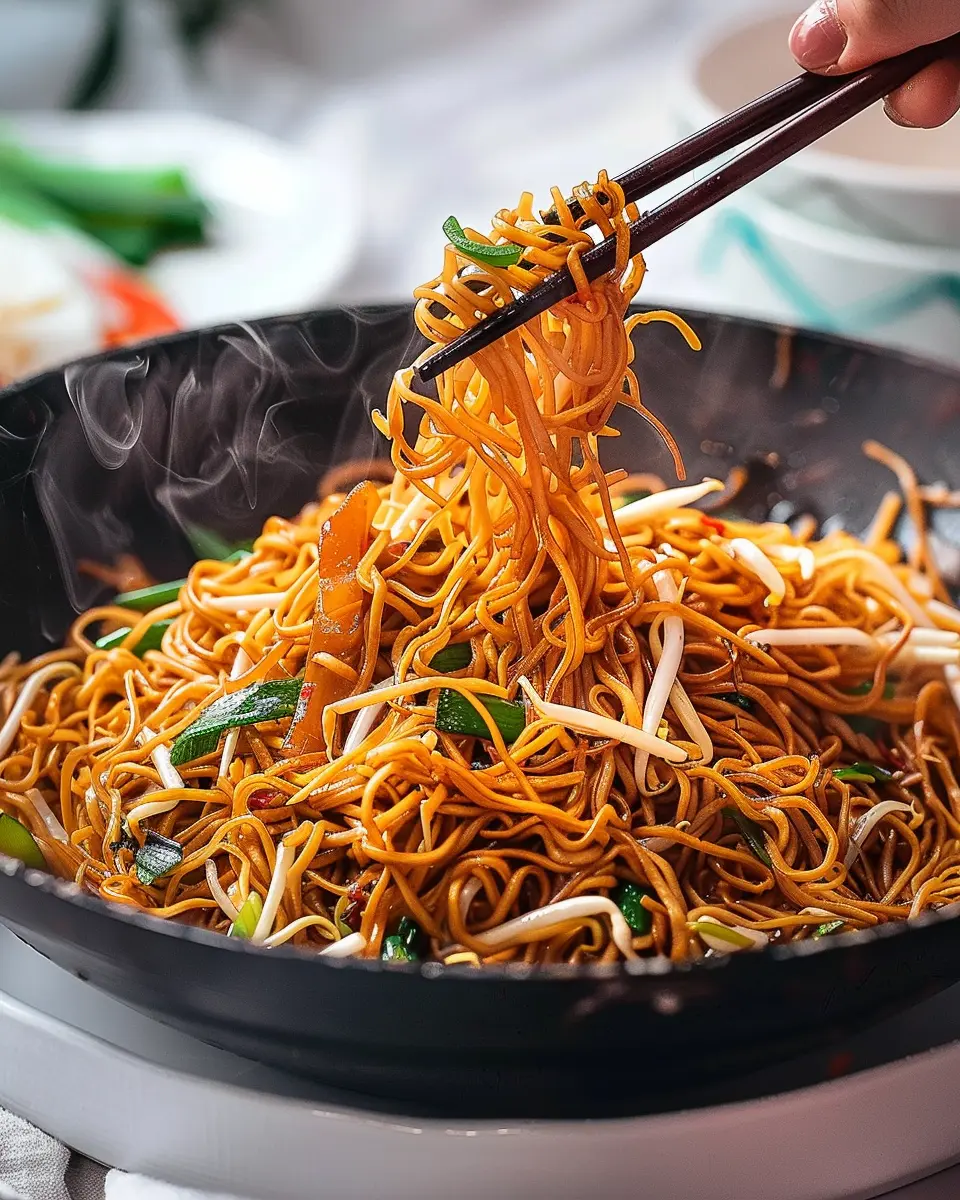
Variations on Cantonese Chow Mein
Cantonese Chow Mein is a wonderfully versatile dish that can cater to a variety of dietary preferences. Whether you’re a vegetarian, a fan of chicken, or love seafood, there’s a version of this beloved stir-fried noodle dish just for you!
Vegetarian Cantonese Chow Mein
If you’re looking to skip the meat, the Vegetarian Cantonese Chow Mein is a fantastic option. Packed with colorful veggies like bell peppers, carrots, and snap peas, this version bursts with flavor and nutrition. Use sautéed tofu for added protein and a delightful texture. For an extra kick, toss in some oyster sauce alternatives or a splash of soy sauce to elevate the dish without compromising that beloved umami taste.
Cantonese Chow Mein with Chicken
For chicken lovers, the Cantonese Chow Mein with Chicken is a must-try. Juicy strips of chicken breast add heartiness, while soy sauce and ginger bring warmth and depth to the dish. Cook your chicken separately until it reaches a golden brown, and then combine it with the noodles and veggies for a satisfying meal. You can also experiment with chicken ham slices for a unique twist! Check out this article for tips on how to perfect your stir-frying technique.
Seafood Cantonese Chow Mein
If you’re in the mood for something from the sea, Seafood Cantonese Chow Mein will delight your taste buds. Featuring shrimp, scallops, or even crab, this version offers a rich mix of textures and flavors. Use a combination of fresh vegetables like bok choy and bean sprouts to balance the seafood, and drizzle in some sesame oil for an aromatic finish. This dish is not just tasty; seafood is also an excellent source of omega-3 fatty acids, making it a smart choice for your health!
By exploring these variations, you’re sure to find your perfect Cantonese Chow Mein fit. Enjoy the journey of flavors!
Cooking Notes and Tips for Cantonese Chow Mein
When making delicious Cantonese Chow Mein, it helps to master a few essential techniques and tips that can elevate your dish from good to outstanding.
Choose the Right Noodles
- Noodle Type: Opt for fresh chow mein noodles if possible. If using dried noodles, soak them properly beforehand to ensure they cook evenly.
- Cooking Time: Don’t overcook your noodles; they should be chewy yet tender.
Flavor Boosters
- Sauces and Spices: Enhance your stir-fry with soy sauce and oyster sauce for depth, but also consider adding elements like sesame oil for a nutty flavor.
- Protein Options: Swap in Turkey Bacon and Chicken Ham or mix in some beef for a protein-packed dish.
Timing is Key
Stir-frying is a quick process. Prepare all your ingredients before you heat up the pan. This way, you can maintain a high cooking temperature, which leads to a better texture.
Don’t Skimp on Veggies
- Freshness Matters: Use a colorful mix of fresh vegetables, like bell peppers, carrots, and bok choy. They not only add nutrients but also vibrant color to your Cantonese Chow Mein.
These tips should have you creating restaurant-quality chow mein in your own kitchen. Remember, cooking is about experimenting, so feel free to adjust the flavors to suit your taste! For more expert advice on stir-fry techniques, check out resources from culinary schools like The Culinary Institute of America.
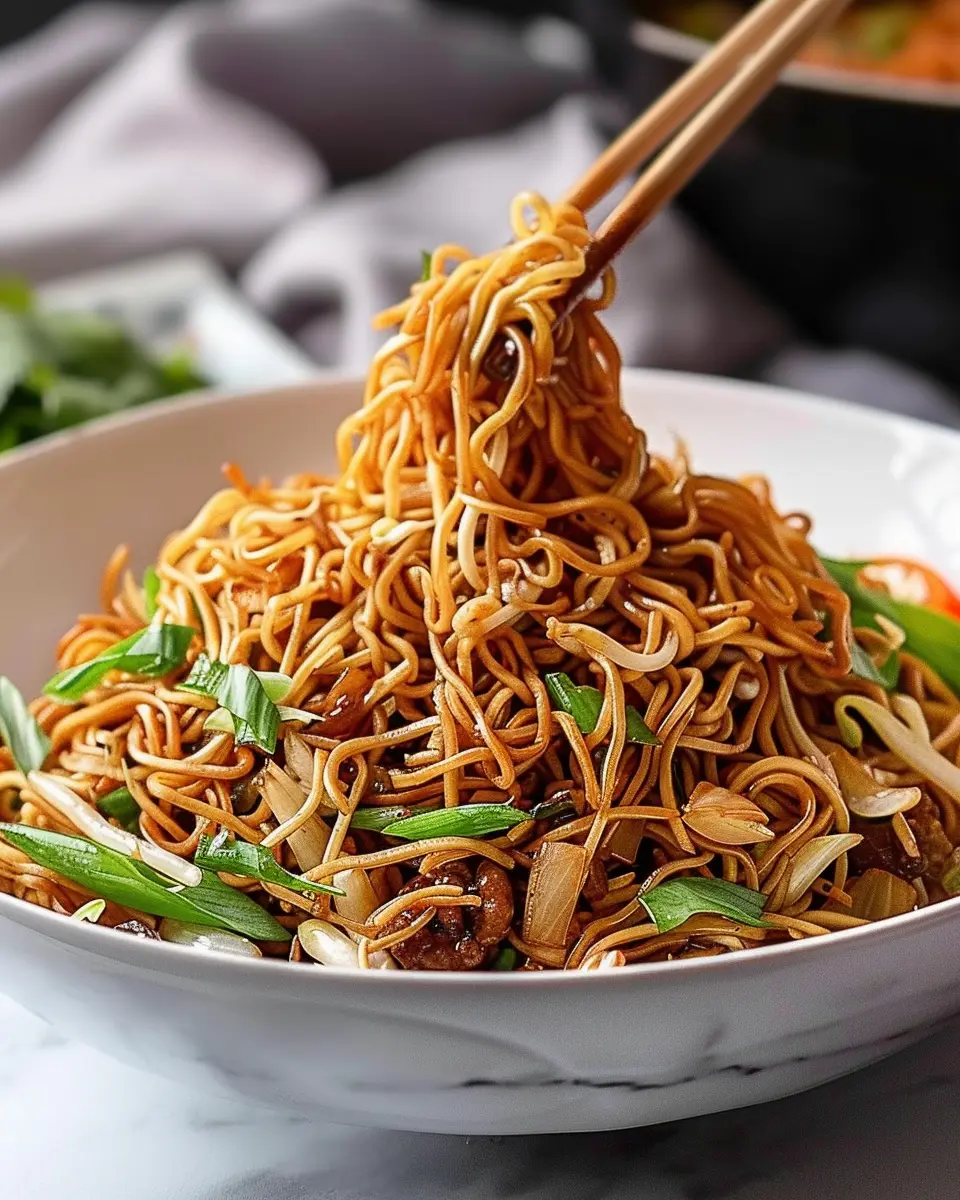
Serving Suggestions for Cantonese Chow Mein
Cantonese Chow Mein is a delightful dish that deserves to be dressed up a bit when it comes to serving. Here are some tips to elevate your dining experience:
Pair with Complementary Sides
Consider serving your chow mein with sides that enhance its flavors. Some great options include:
- Spring Rolls: Their crispy texture and savory filling will provide contrast to the soft noodles.
- Sweet and Sour Chicken: This dish’s tangy sauce pairs nicely with the umami flavors of chow mein.
- Steamed Vegetables: A medley of broccoli, carrots, and snap peas offers a healthy and colorful addition.
Garnish for Visual Appeal
Don’t underestimate the power of a beautiful presentation! Garnish your dish with:
- Chopped Green Onions: They add a fresh flavor and a pop of color.
- Sesame Seeds: A sprinkle enhances both taste and crunch.
Enjoy with a Refreshing Beverage
Pair your chow mein with a cool, refreshing drink. Consider iced lemon tea or an herb-infused sparkling water, which can cleanse the palate beautifully.
Each time you serve your Cantonese Chow Mein, let it be a reflection of your culinary creativity and personality. Check out this guide on pairing drinks with Asian dishes for more ideas!
Time Breakdown for Cantonese Chow Mein
Preparation Time
Creating the perfect Cantonese Chow Mein starts with preparation. You’ll need about 15 minutes to chop your vegetables and prepare the proteins. Don’t rush! This is your chance to make everything look appealing.
Cooking Time
Once you’re set, the cooking time is around 10-15 minutes. This quick stir-fry method ensures that your ingredients stay fresh and delicious while locking in the flavors.
Total Time
In total, you’re looking at about 30 minutes from start to finish. It’s a fabulous option for busy weeknights when you crave something satisfying and homemade. Why not whip this up as a delightful surprise for your family or favorite friends?
For more tips on making the perfect Cantonese Chow Mein, check out Serious Eats for their expert advice on stir-frying techniques!
Nutritional Facts for Cantonese Chow Mein
When it comes to enjoying a delicious plate of Cantonese Chow Mein, it’s important to consider its nutritional profile, especially if you’re looking to maintain a balanced diet. Here’s a quick breakdown:
Calories
A typical serving of Cantonese Chow Mein contains around 300-400 calories. This can vary depending on the ingredients used and portion size, so keep that in mind if you’re customizing your dish.
Protein
One of the great things about Cantonese Chow Mein is its protein content. With the combination of vegetables, chicken ham, and turkey bacon, a serving can provide approximately 15-20 grams of protein. This makes it a filling option for a lunch or dinner that will keep you energized throughout the day.
Sodium
While delicious, Cantonese Chow Mein can also be high in sodium, with a typical serving containing about 800-1,200 mg. If you’re watching your salt intake, consider using low-sodium soy sauce or making your own sauce to keep the flavors while reducing sodium levels. For more tips on managing sodium in your diet, check out resources from the American Heart Association.
Remember, enjoying Cantonese Chow Mein in moderation and balancing it with fresh fruits and vegetables can be a healthy choice!
FAQs about Cantonese Chow Mein
Can I make Chow Mein without noodles?
Absolutely! If you’re looking to enjoy the flavors of Cantonese Chow Mein without the carbs, consider using alternatives like spiralized zucchini or even sliced cabbage. These options not only maintain a satisfying crunch but also absorb the delicious flavors of the stir-fry. For a heartier version, you might enjoy using rice or quinoa as a base. Experiment and find what suits your taste best!
What is the difference between Cantonese and other Chow Mein varieties?
Cantonese Chow Mein typically features a lighter, more delicate sauce compared to its American or Szechuan counterparts. While some versions might lean towards heavy soy sauce or spicy flavors, Cantonese Chow Mein is known for its balanced approach with a focus on freshness. The key ingredients like stir-fried vegetables, protein (such as chicken ham or turkey bacon), and egg noodles come together seamlessly to create a dish that’s not just satisfying, but also richly flavorful. Curious about the broader history of this dish? Check out resources from Serious Eats for an in-depth look.
How do I store leftovers?
Storing your Cantonese Chow Mein leftovers is straightforward! First, let the dish cool to room temperature. Then, transfer it to an airtight container (glass or plastic works well) and refrigerate. Your leftovers can typically last for up to three days. When ready to enjoy them again, simply heat them in a skillet or in the microwave until warm. If you notice the noodles appear dry, a splash of water or broth can help revive them. Keeping these tips in mind ensures you can relish a delicious meal without waste!
Conclusion on Cantonese Chow Mein
Cantonese Chow Mein is not just a meal; it’s a delightful experience that brings comfort and flavor to your plate. Its versatility makes it perfect for any occasion, whether you’re whipping it up for a quick weeknight dinner or impressing friends at a gathering. The combination of tender noodles, vibrant vegetables, and your choice of protein, such as turkey bacon or chicken ham, creates a tantalizing symphony of taste.
Don’t forget, mastering this dish provides a fantastic foundation for your culinary journey. Plus, you can personalize it to fit your dietary preferences! To explore more noodle recipes and tips, check out culinary sites like Serious Eats or Bon Appétit.
PrintCantonese Chow Mein: Easy Recipe with Turkey Bacon & Chicken Ham
Learn how to make a delicious Cantonese Chow Mein with turkey bacon and chicken ham!
- Prep Time: 15 minutes
- Cook Time: 20 minutes
- Total Time: 35 minutes
- Yield: 4 servings 1x
- Category: Main Dish
- Method: Stir Fry
- Cuisine: Chinese
- Diet: Non-Vegetarian
Ingredients
- 200 grams turkey bacon
- 200 grams chicken ham
- 150 grams chow mein noodles
- 2 tablespoons soy sauce
- 1 tablespoon oyster sauce
- 1 teaspoon sesame oil
- 1 bell pepper, sliced
- 1 onion, sliced
- 2 green onions, chopped
- 2 cloves garlic, minced
- 1 tablespoon cooking oil
Instructions
- Begin by cooking the chow mein noodles according to package instructions.
- In a large skillet, heat the cooking oil over medium heat.
- Add the garlic, onion, and bell pepper, sauté until softened.
- Incorporate the turkey bacon and chicken ham, cooking until browned.
- Stir in the cooked chow mein noodles and sauces, tossing to combine thoroughly.
- Garnish with green onions before serving.
Notes
- For extra flavor, add a pinch of black pepper.
- Feel free to substitute the meats with your favorite protein.
Nutrition
- Serving Size: 1 plate
- Calories: 500
- Sugar: 3 grams
- Sodium: 800 milligrams
- Fat: 20 grams
- Saturated Fat: 5 grams
- Unsaturated Fat: 10 grams
- Trans Fat: 0 grams
- Carbohydrates: 50 grams
- Fiber: 2 grams
- Protein: 30 grams
- Cholesterol: 60 milligrams
Keywords: Cantonese Chow Mein, turkey bacon, chicken ham, easy recipe