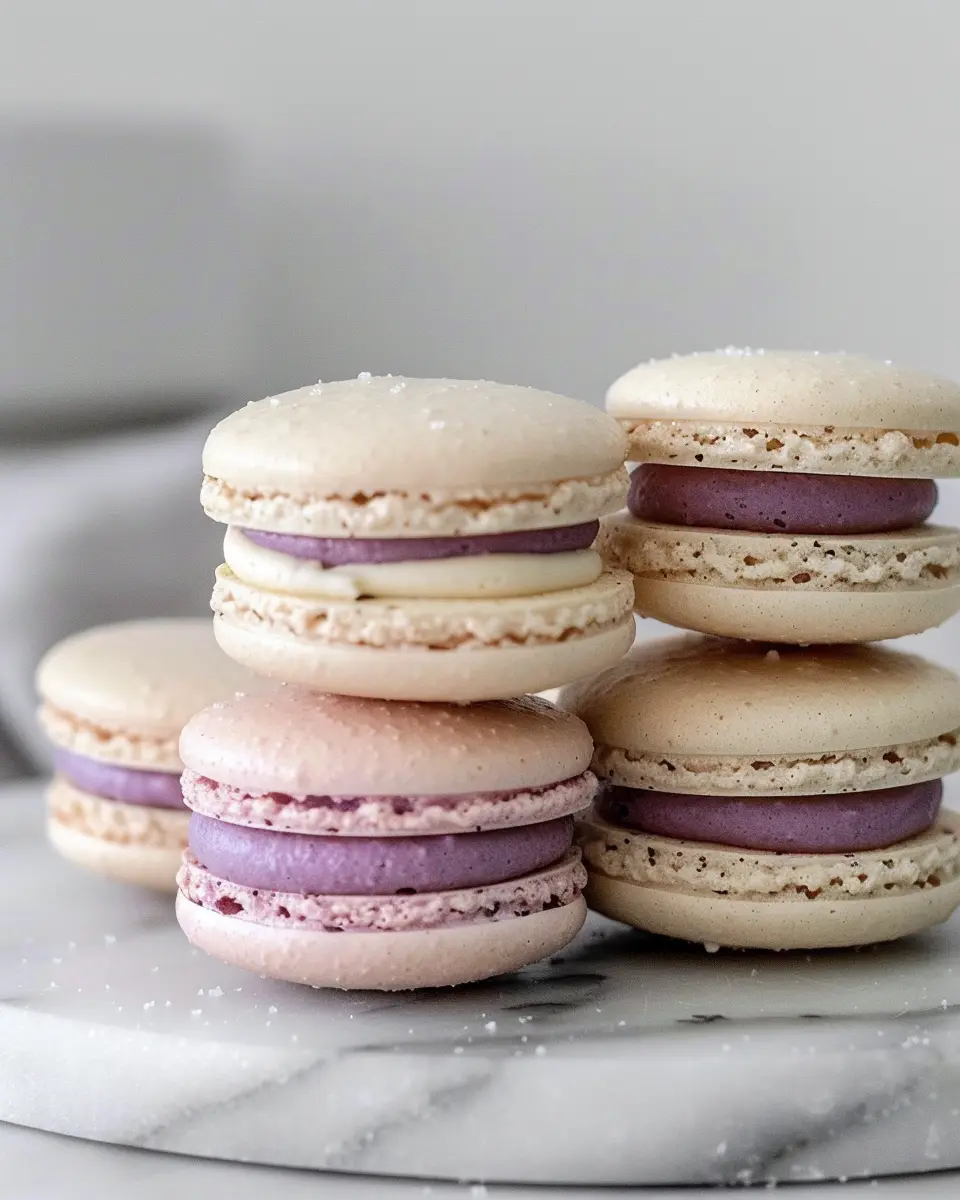
Why Macarons are the Perfect Treat for Your Homemade Culinary Adventure
If you’re looking to embark on a delightful culinary adventure, look no further than macarons. These delicate French confections are not only a feast for the eyes but also an experience that will elevate your baking skills. So, why make macarons? Here are a few compelling reasons:
-
Artistry and Creativity: Macarons allow you to showcase your creative flair. From vibrant colors to unique flavor combinations, the possibilities are endless. You can even experiment with natural flavoring, like using essential oils or fresh fruits.
-
Impressive and Elegant: Bringing homemade macarons to a gathering is sure to impress friends and family. These delicate cookies reflect your dedication and passion for baking. Whether it’s a dinner party or a casual get-together, macarons are always a hit.
-
Perfectly Customizable: You can tailor your recipes to suit any occasion. Want to make a festive batch for the holidays? Try flavors like peppermint or gingerbread. Yearning for a summer treat? Create lemon or raspberry macarons that embody the season.
-
Hands-On Experience: Mastering how to make macarons can be a rewarding challenge. It’s a fantastic opportunity to develop your baking techniques like whisking, folding, and piping. Plus, there’s something incredibly satisfying about crafting a delicious treat from scratch.
Getting Started with Macarons
Before diving into how to make macarons, make sure you stock up on essential ingredients:
- Almond flour
- Egg whites
- Granulated sugar
- Powdered sugar
- Flavorings and colorings of your choice
Remember, quality matters! Using finely ground almond flour can significantly affect your final result.
Helpful Tips for Success
-
Age Your Egg Whites: Letting your egg whites sit for a day or two can improve the stability of your meringue.
-
Precision is Key: Bake macarons using a kitchen scale for accurate measurements—a crucial step for those perfect, smooth shells.
-
Practice Patience: Allowing the macarons to rest before baking can help develop that signature “foot” and prevent cracking.
By understanding the nuances of how to make macarons, you’ll be on your way to crafting these beautiful treats with confidence. For more tips, check out resources like The Spruce Eats or Serious Eats which offer fantastic baking techniques and advice. Happy baking!
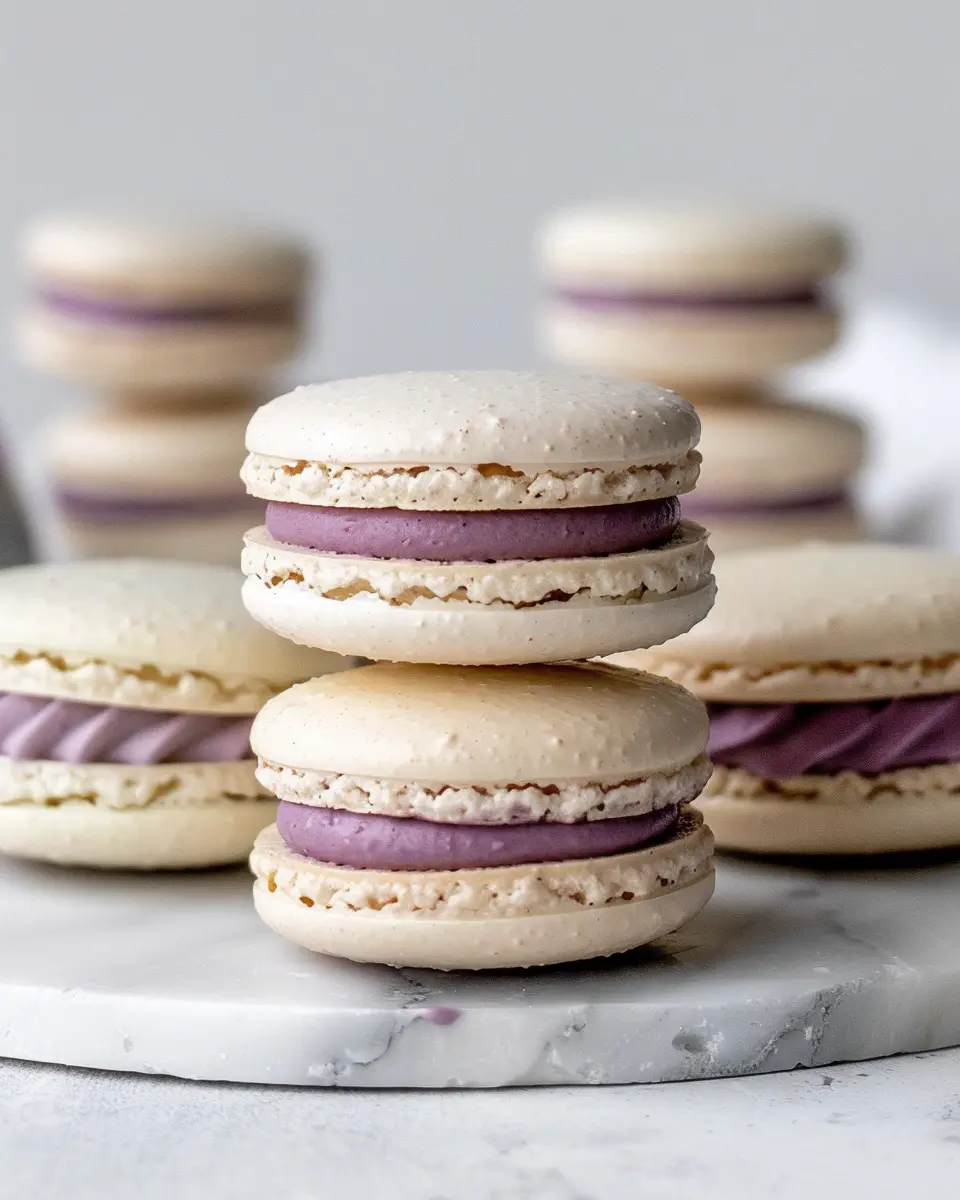
Ingredients for Macarons
Essential ingredients for classic French macarons
To truly nail down how to make macarons, it’s all about using the right ingredients. Here’s the essential list for those delicate, colorful treats:
- Almond flour: Make sure it’s finely ground for that signature smooth texture.
- Powdered sugar: This adds sweetness and helps achieve that characteristic crisp shell.
- Egg whites: Use fresh ones; aged egg whites work best for creating the perfect meringue.
- Granulated sugar: This is crucial for stabilizing your egg whites during whipping.
- Food coloring (optional): Get creative with colors, but ensure they’re gel-based to avoid any excess moisture.
These ingredients combine to create the iconic macaron shell—crisp on the outside and chewy on the inside!
Options for different fillings
While mastering the shell is key, don’t overlook the fun of delicious fillings!
- Buttercream: Classic choice! Think vanilla, chocolate, or any flavor you fancy.
- Ganache: Rich and luxurious, a chocolate ganache is a favorite for many.
- Fruit jams: Adds a fresh burst, making your macarons even more delightful.
- Cream cheese frosting: For a tangy twist! Perfect alongside fruity or chocolate shells.
Experimenting with flavors can elevate your macarons, keeping your baking experience exciting and delicious! By adhering to this ingredient guide, you’ll be well on your way to impressing friends (and yourself) with your newfound macaron-making skills! For additional tips, check out this expert guide on macaron fillings.
Step-by-Step Preparation for Macarons
Making macarons can initially seem a bit daunting, especially for those new to baking, but with the right guidance, you’ll find it’s a rewarding and delicious endeavor. In this section, we’ll break down each step to help you understand exactly how to make macarons like a pro!
Gather and Measure Your Ingredients
Before you dive into the enchanting world of macarons, it’s essential to gather everything you’ll need. This includes:
- Almond flour (1 ½ cups)
- Confectioners’ sugar (1 ¾ cups)
- Egg whites (4 large, aged at least 24 hours)
- Granulated sugar (½ cup)
- Food coloring (optional)
- Fillings of your choice (buttercream, ganache, jam, etc.)
Measure everything out in advance as it ensures a smoother process. Plus, it allows you to focus on the delicate techniques without interruptions. Pro tip: Sifting your dry ingredients is crucial; it removes lumps and aerates the flour for a better texture.
Preparing the Macaron Shells
Once your ingredients are ready, it’s time to prepare your macaron shells. Combine the almond flour and confectioners’ sugar in a bowl and sift them together to ensure they’re free from clumps. This step is vital—your macarons need that smooth shell, and a fine mixture will help achieve just that!
Making the Meringue
Next, it’s time to transform your egg whites into meringue. In a clean, dry bowl, begin whisking the eggs until they become frothy. Gradually add in the granulated sugar while continuing to whisk until stiff peaks form. This is where patience is key; it may take some time, but you want that glossy, thick consistency that holds its shape beautifully.
Folding in the Dry Ingredients
Now, it’s time to fold. Gradually incorporate the sifted dry mixture into your meringue using a spatula. Be careful not to deflate the meringue too much; aim for a consistent batter that flows slowly off the spatula. This is the foundation for how to make macarons that have that perfect chewy texture.
The Macaronage Technique
Here’s the fun part! The macaronage technique involves carefully folding the mixture until it reaches the right consistency—similar to molten lava. It’s crucial to achieve this “lava-like” texture to ensure your macarons rise properly during baking.
Piping the Macaron Shells
With your batter ready, it’s time to pipe! Transfer your mixture into a piping bag fitted with a round tip. On a baking sheet lined with parchment paper, pipe small circles (about 1.5 inches in diameter). Remember to leave space between them; they will spread slightly. A tip for maintaining uniformity is to use a stencil underneath the parchment as a guide.
Drying the Macarons Before Baking
After piping, let your macarons dry at room temperature for about 30-60 minutes. This drying helps to form a nice skin on the surface, preventing them from cracking during baking. You’ll know they’re ready when a light touch doesn’t leave a fingerprint.
Baking the Macarons
Preheat your oven to 300°F (or 150°C). Bake your macarons for about 15-20 minutes, keeping an eye on them to prevent browning. A gentle tap should allow them to lift easily from the parchment paper.
Cooling and Filling the Macarons
Once baked, let your macarons cool completely on the baking sheet. This is a crucial step—if you fill them too early, the shells could break. After they’ve cooled, it’s time for your choice of delicious fillings! Use a piping bag to add buttercream, ganache, or jam between two shells.
And there you have it! A step-by-step journey into how to make macarons that will leave friends and family impressed. Ready to take on baking? Enjoy the process, and remember, practice makes perfect!
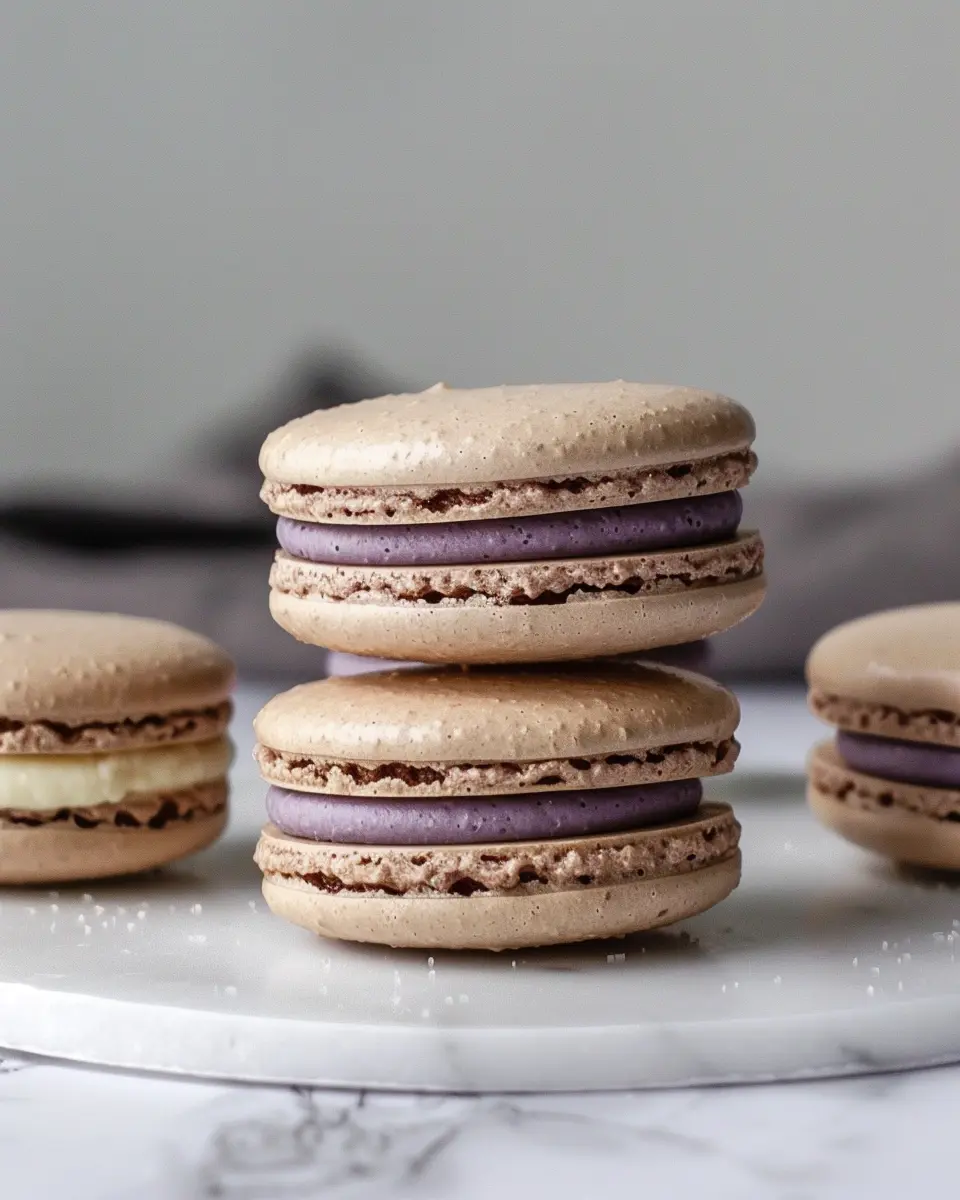
Variations on Classic Macarons
Flavor variations: chocolate, fruit, and more
Once you’ve mastered the basics of how to make macarons, it’s time to get creative! The beauty of macarons lies in their versatility. Consider these exciting flavor combinations:
- Chocolate: Incorporate cocoa powder into your dry ingredients or fill with rich chocolate ganache for a deep, indulgent flavor.
- Fruit: Try using fruit purees like raspberry, mango, or lemon for a refreshing twist. They not only add flavor but also vibrant color.
- Spices: Add a hint of cinnamon or cardamom in your almond mixture for a warm, cozy feel. Think of holiday gatherings where these flavors shine!
- Nuts: Swap in hazelnut or pistachio for a nutty undertone. How about a pistachio butter filling? Divine!
Colorful macarons for special occasions
One of the most delightful aspects of macarons is how easily they can be customized for special occasions. Whether it’s a birthday, wedding, or holiday gathering, colorful macarons can elevate any celebration. Here are some tips:
- Theme Colors: Match your macaron colors to the event. Soft pastels for a spring gathering or bold hues for a vibrant summer party.
- Decorative Toppings: Add edible glitter or pearls for a touch of elegance. It’s a simple way to wow your guests without too much extra work.
- Unique Shapes: Experiment with different piping techniques to create fun shapes. Hearts for Valentine’s Day or snowflakes for winter festivities can make your macarons stand out.
Embrace the art of macaron making and explore these variations. Your friends and family will marvel at your culinary skills, and who knows? You might just become the go-to macaron maker in your circle! For more inspiration, check out this great resource on creative macaron fillings.
Cooking Tips and Notes for Perfect Macarons
Common Pitfalls to Avoid
When learning how to make macarons, it’s easy to get disheartened by common mistakes. Here are a few key pitfalls to sidestep:
- Aging Egg Whites: While not mandatory, letting your egg whites sit in the fridge for 24-48 hours helps improve stability.
- Overmixing: The batter should flow like lava—not too thick and not too runny. A good tip is to do the “figure-eight” test; if it holds shape but smooths out, you’re golden!
- Humidity: Macarons are temperamental, especially in humid weather. Using a dehumidifier can make a significant difference.
Tools That Make Macaron-Making Easier
Investing in the right tools can enhance your macaron-making experience. Some essentials include:
- Silicone Baking Mats: These keep your macarons from sticking and help achieve uniform shapes.
- Digital Kitchen Scale: Precision is crucial in baking. A scale ensures you’re measuring ingredients accurately.
- Sifter: This helps to aerate your almond flour and powdered sugar, maximizing your chances of success.
By following these tips and arming yourself with the right tools, you’ll elevate your macaron-making skills in no time! For additional insights on perfect techniques, check out resources from Serious Eats and America’s Test Kitchen.
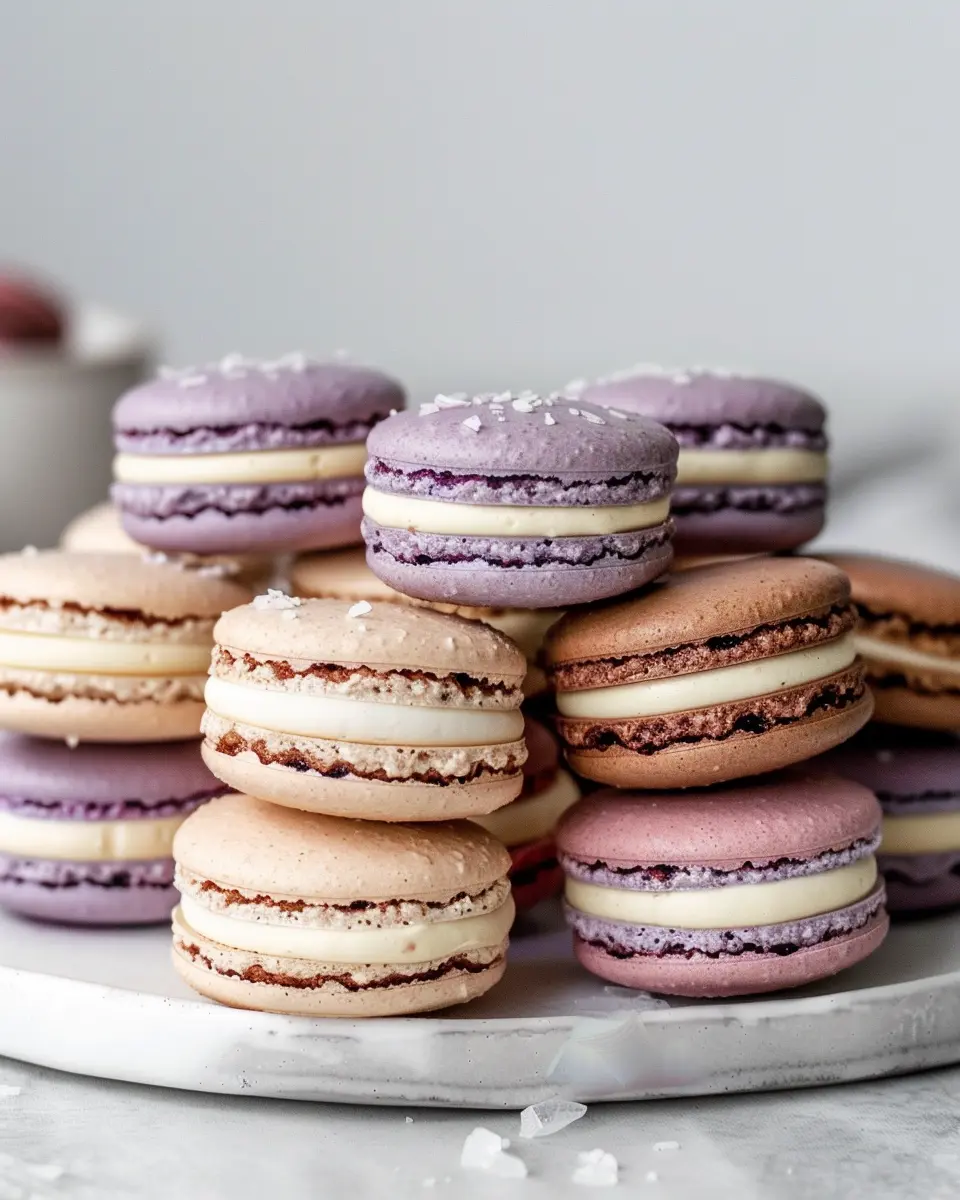
Serving Suggestions for Macarons
Best ways to present your macarons
When it comes to showing off your macarons, presentation is key! A colorful display not only makes your treats more appetizing but also transforms them into a centerpiece. Here are a few creative ideas:
- Tiered Stands: Use a multi-tiered stand to add height and become a focal point.
- Decorative Boxes: Present them in charming boxes, adorned with ribbons. This adds a personal touch, perfect for gifts.
- Mix and Match: Complement your macarons with complementary desserts, like mini tarts or fruit arrangements, for a stunning dessert table.
Pairing macarons with beverages
Wondering how to elevate your macaron experience? Pair them with the right beverages! For a delightful afternoon treat, consider serving:
- Herbal Tea: The floral notes in teas like chamomile or hibiscus harmonize beautifully with sweet macarons.
- Coffee: A rich espresso balances the sweetness, enhancing the flavors in your macarons.
- Sparkling Water: This option cleanses the palate and allows you to fully enjoy each bite.
These simple suggestions will help you enhance both your macaron-eating experience and impress your guests. For more tips on how to make macarons shine at your next gathering, check out resources from reputable sources like Taste of Home or Bon Appétit.
Time Breakdown for Macaron Preparation
When diving into the delightful world of macarons, understanding the time involved can make the process smoother. Here’s a clear breakdown to help you plan your baking adventure!
Preparation Time
Getting your ingredients ready will take approximately 30 minutes. This includes measuring your almond flour, icing sugar, and egg whites. It’s important to have everything prepped beforehand, so you can focus on the fun part.
Drying Time
Patience is key! After piping your macaron shells, let them dry for about 30-60 minutes depending on humidity. This step is crucial for achieving that perfect shell.
Baking Time
Each tray of macarons should bake for around 15-20 minutes in a preheated oven. Keep an eye out for those lovely feet developing at the bottom!
Total Time
From start to finish, you’re looking at roughly 1.5 to 2 hours, not including cooling and filling time. Now that you’ve got the timeline down, you’re well on your way to mastering how to make macarons. Happy baking!
For further inspiration, check out the Macaron Society for tips from experienced bakers!
Nutritional Facts for Macarons
When you’re exploring how to make macarons, it’s essential to know what you’re indulging in. These delightful confections offer a unique treat, and while they’re not the healthiest option on the block, they can be enjoyed in moderation.
Calories per macaron
Each macaron typically contains around 100 calories. While it might seem like a small number, those calories can add up quickly if you’re not mindful!
Sugar content
On average, a single macaron has about 10–15 grams of sugar. This gives each bite that characteristic sweetness, but it’s important to balance it with your daily intake.
Protein value
Macarons don’t pack much protein—usually only about 2 grams per piece. They’re more about the indulgence than the nutrients, so consider pairing them with some protein at snack time for a balanced treat.
By understanding the nutritional facts, you can enjoy these lovely French cookies with a clearer conscience! For more detailed information on macaron preparation, check out resources like NutritionData or MyFitnessPal to track your intake.
FAQ: How to Make Macarons
What are the most common mistakes when making macarons?
When learning how to make macarons, even the most passionate bakers can hit a few bumps along the way. Here are some common pitfalls to avoid:
- Overmixing the batter: This can lead to flat, unappealing macarons. Aim for a ribbon-like consistency when folding.
- Not aging the egg whites: Using fresh egg whites can lead to poor stability. Try aging them for 24 hours—this helps them whip up better.
- Skipping the rest period: Letting your piped macarons sit for 30-60 minutes before baking allows a skin to form, which is crucial for that signature foot.
For expert insights, consider checking out King Arthur Baking’s guide for more tips.
Can I make macarons without almond flour?
If you’re allergic to nuts or just want a different flavor, you can substitute almond flour with powdered coconut or sunflower seed flour. Keep in mind that this will slightly alter the texture and flavor, but experimentation can lead to delightful surprises! Just remember to adjust the moisture levels accordingly.
How do I store macarons for freshness?
For optimal freshness, store your macarons in an airtight container in the refrigerator. They can typically last about a week this way. Want to enjoy them later? You can freeze them for up to two months! Just ensure they’re well-wrapped to prevent freezer burn. When you’re ready to indulge, let them thaw in the fridge for a few hours.
With these tips, you’ll be well on your way to mastering how to make macarons! Happy baking!
Conclusion on Making Macarons
Why You Should Try Making Macarons at Home
Making macarons at home is not just a culinary challenge; it’s a rewarding experience that taps into creativity and precision. By learning how to make macarons, you’ll gain confidence in the kitchen while impressing friends and family with your delicious creations.
Imagine serving a plate of beautifully crafted macarons at your next gathering. The vibrant colors and unique flavors—the rich chocolate, tangy lemon, or even a subtle rose—will surely elevate your dessert game.
If you lack experience, don’t worry! Resources like Serious Eats and Taste of Home offer excellent tips and guidance. Embrace the journey and enjoy those delightful treats you’ve made yourself!
PrintHow to Make Macarons: Simple and Indulgent for Beginners
Learn how to make macarons with this easy recipe designed for beginners!
- Prep Time: 30 minutes
- Cook Time: 18 minutes
- Total Time: 48 minutes
- Yield: 20 macarons 1x
- Category: Dessert
- Method: Baking
- Cuisine: French
- Diet: Vegetarian
Ingredients
- 1 cup almond flour
- 1 cup powdered sugar
- 3 large egg whites
- 1/4 cup granulated sugar
- 1/2 teaspoon vanilla extract
- pinch of salt
- 1/4 cup butter, softened
- 1/2 cup heavy cream
Instructions
- Preheat your oven to 300°F (150°C) and line a baking sheet with parchment paper.
- In a bowl, sift together almond flour and powdered sugar.
- In a separate bowl, whisk the egg whites until foamy, then gradually add granulated sugar until stiff peaks form.
- Fold the dry ingredients into the egg whites gently.
- Pipe the mixture onto the prepared baking sheet.
- Let the piped macarons sit for 30 minutes to form a skin.
- Bake for 15-18 minutes, then let cool.
- For the filling, whip the butter and cream together until fluffy, then add vanilla.
- Sandwich the filling between two macaron shells.
Notes
- Make sure to let the macarons mature in the fridge for a day for the best flavor.
- You can color the macaron batter with food coloring if desired.
Nutrition
- Serving Size: 2 macarons
- Calories: 100
- Sugar: 10g
- Sodium: 50mg
- Fat: 5g
- Saturated Fat: 3g
- Unsaturated Fat: 2g
- Trans Fat: 0g
- Carbohydrates: 12g
- Fiber: 1g
- Protein: 2g
- Cholesterol: 20mg
Keywords: how to make macarons, beginner friendly macarons