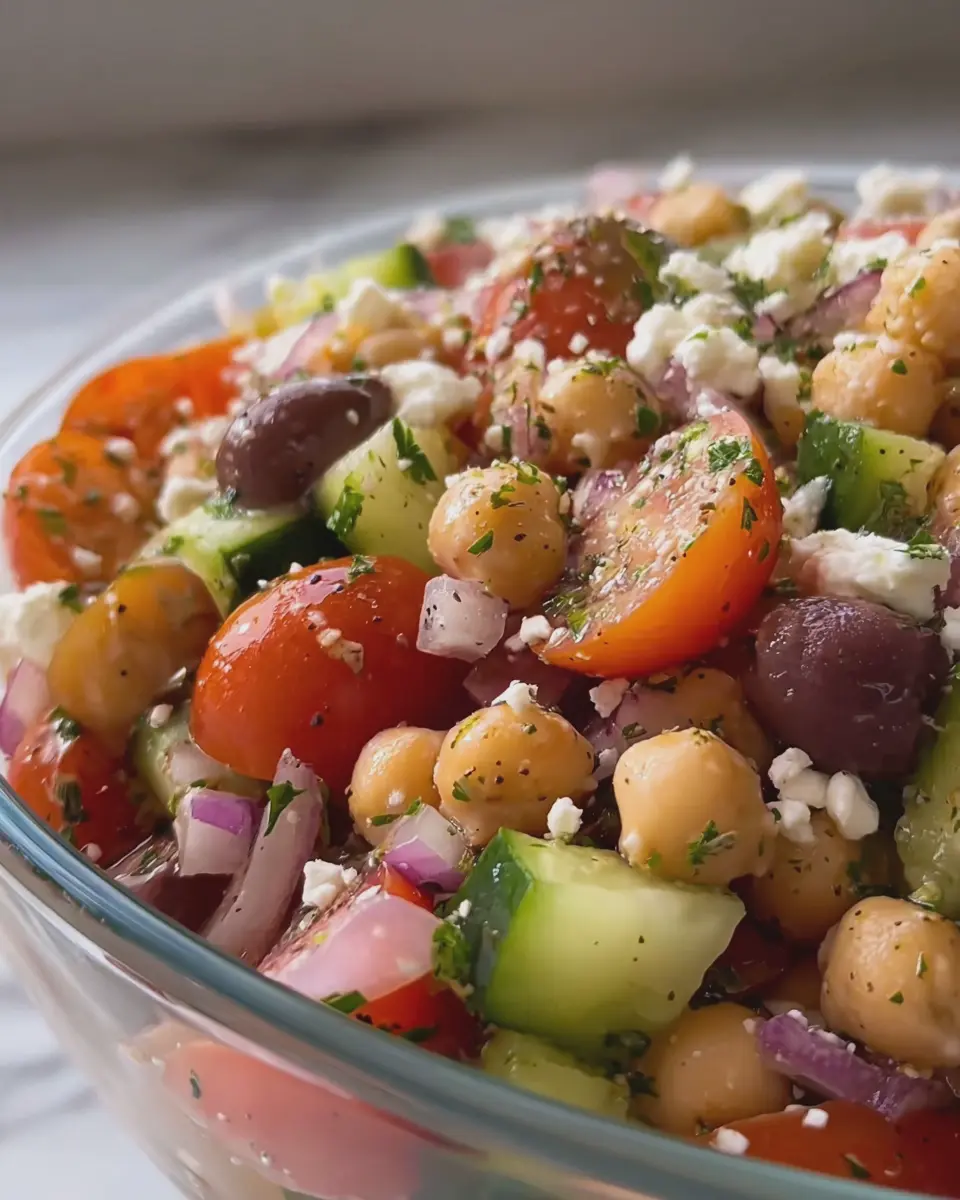
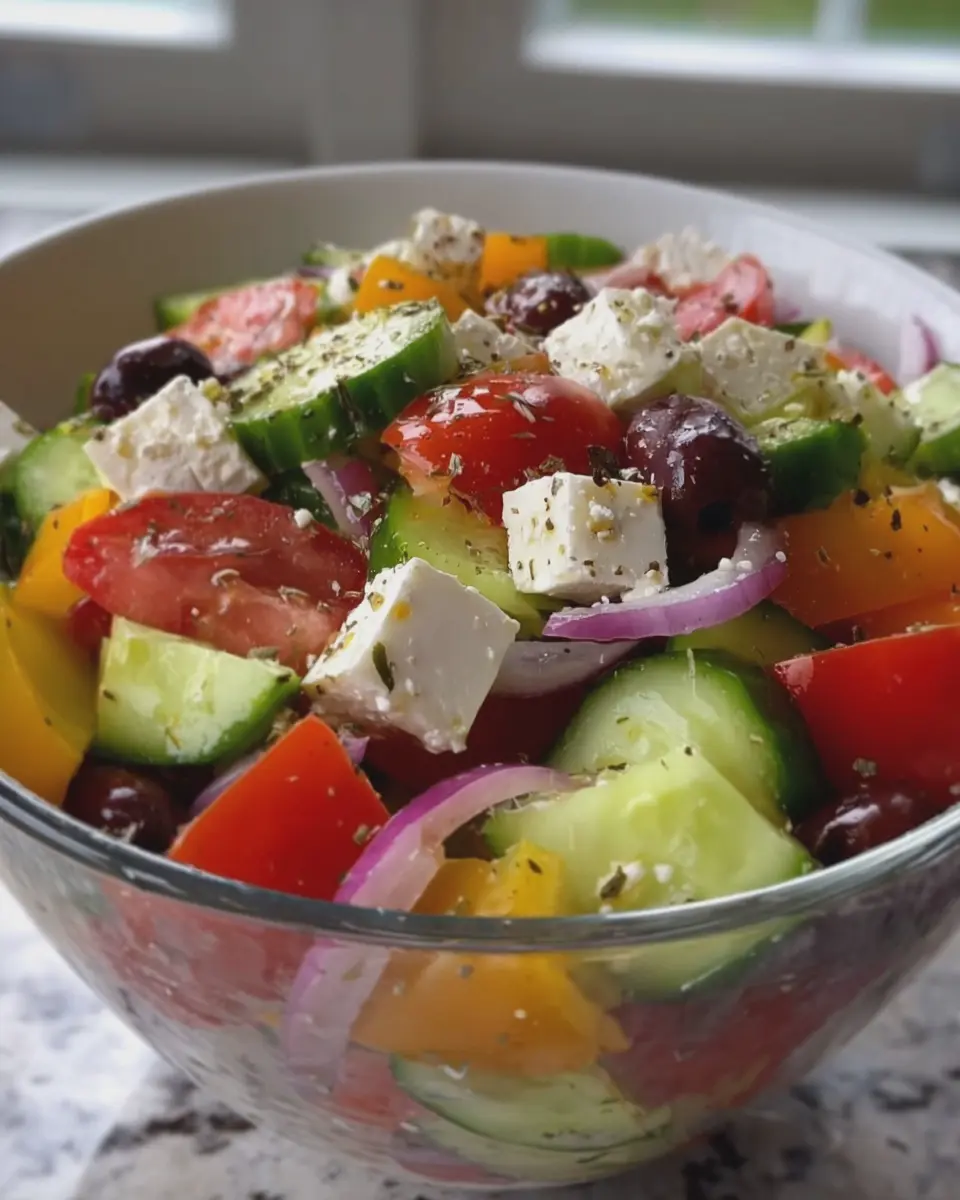
Introduction to Classic Greek Salad
When it comes to iconic dishes, few can rival the simplicity and freshness of a classic Greek salad. This vibrant dish, often called Horiatiki, features a harmonious blend of ingredients that not only please the palate but also provide a burst of health benefits. But what is it that makes the classic Greek salad a beloved choice for so many food enthusiasts?
Why is Classic Greek Salad a favorite among food lovers?
One reason the classic Greek salad stands out is its impressive nutritional profile. Bursting with colorful vegetables like ripe tomatoes, crunchy cucumbers, and crisp bell peppers, this salad is a powerhouse of vitamins and antioxidants. It’s a perfect option for health-conscious individuals looking to incorporate more plant-based foods into their diets.
-
Taste and Freshness: The beauty of this dish is in its simplicity—each ingredient shines. The salty tang of feta cheese combined with earthy olives creates a flavor profile that is utterly delightful. Imagine a warm Mediterranean breeze while you munch on a bowl of this delectable salad; it’s a mini getaway with every bite!
-
Versatile Serving Options: Whether you’re hosting a summer barbecue or preparing a quick weekday lunch, the classic Greek salad fits effortlessly into any occasion. Pair it with grilled chicken or turkey bacon for a protein boost, or serve it as a refreshing side dish alongside your favorite main course.
-
Cultural Significance: The classic Greek salad isn’t just tasty; it’s a reflection of Mediterranean culture. This dish celebrates the freshness of local produce, emphasizing seasonal eating—a principle supported by many nutritionists today. For more insights, check out the Mediterranean Diet.
Incorporating the classic Greek salad into your meals isn’t just about enjoyment; it’s also a step towards a healthier lifestyle. So next time you’re in the kitchen, consider whipping up this vibrant salad. It’s a delightful way to enjoy fresh ingredients while treating your taste buds. Plus, it’s an easy yet impressive dish to share with friends and family!
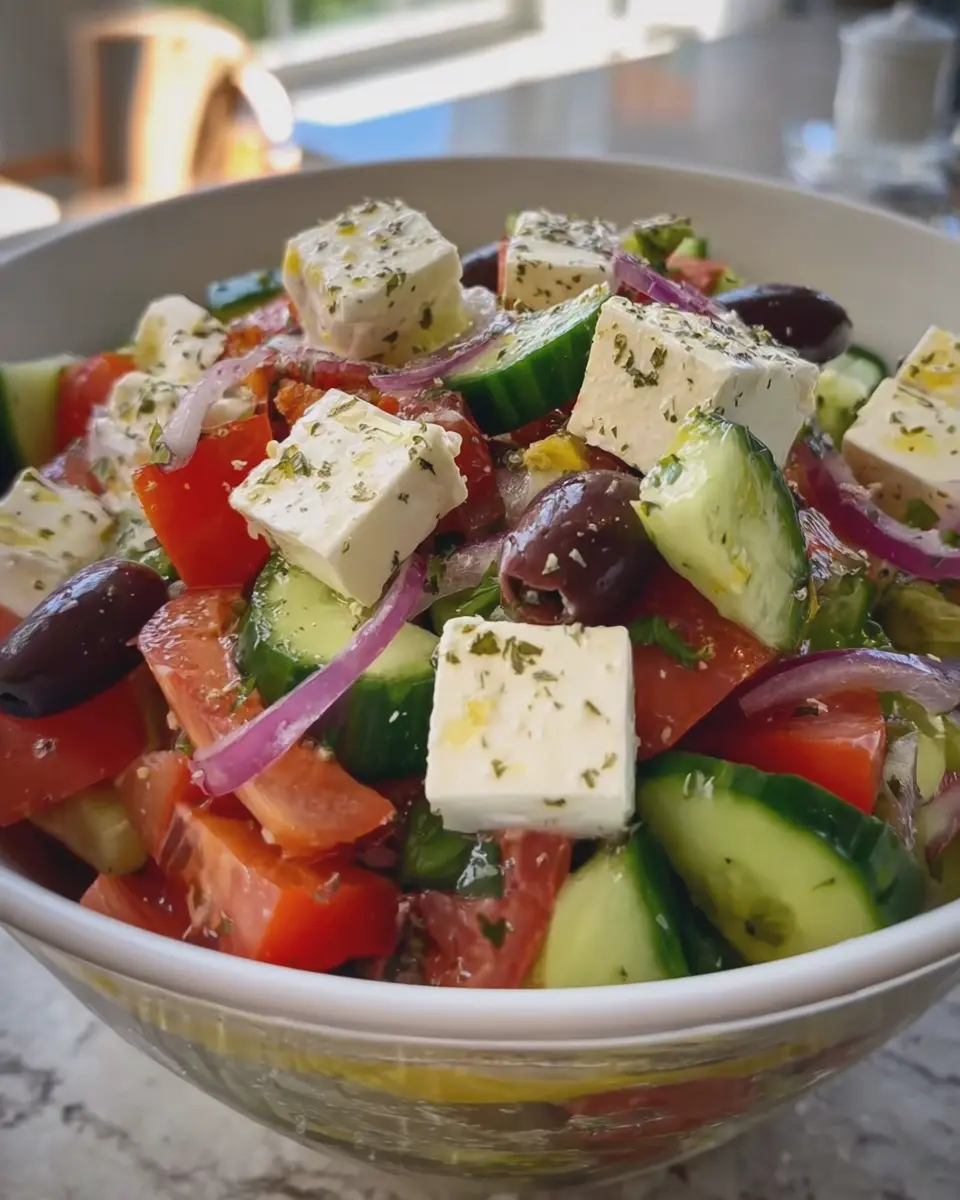
Ingredients for Classic Greek Salad
Essential Ingredients for a Traditional Greek Salad
A classic Greek salad is all about fresh, vibrant ingredients that come together to create a beautiful burst of flavors. Here’s what you need:
- Ripe tomatoes: Juicy and slightly tangy, they form the juicy base of the salad.
- Cucumbers: Crisp and refreshing, they bring a delightful crunch.
- Red onion: For that sharpness that balances the sweetness of the tomatoes.
- Bell peppers: Any variety adds color and sweetness; red is a popular choice.
- Kalamata olives: Their briny goodness is essential for a true Greek taste.
- Feta cheese: Crumbled or in blocks, this creamy cheese is the heart of the dish.
- Extra virgin olive oil: A must-have for drizzling, it enhances all the flavors.
- Dried oregano: A sprinkle brings authenticity, echoing the sunny Mediterranean.
Optional Add-Ons for a Twist
If you’re looking to mix things up, consider these optional add-ons for your classic Greek salad:
- Turkey bacon: For a smokey flavor that complements the fresh ingredients.
- Chicken ham: Adds a subtle savory note that pairs beautifully with the feta.
- Avocado: Creamy texture that elevates the salad.
- Artichoke hearts: They add a unique earthiness and depth.
Feel free to experiment with these ingredients to create your perfect version! You might be surprised at how a simple tweak can transform your dish.
For more tips, check out some insights from the Mediterranean Diet.
Preparing Classic Greek Salad
There’s something incredibly refreshing about a classic Greek salad. This dish, bursting with flavor and color, is the epitome of Mediterranean cuisine. Whether you’re serving it as an appetizer or a light meal, knowing how to prepare this salad can elevate your culinary skills. Let’s roll up our sleeves and dive into the straightforward steps of creating this delightful dish.
Chop the vegetables
The foundation of any great classic Greek salad is, of course, the vegetables. Start with the freshest produce you can find to ensure vibrant flavors.
- Ingredients you’ll need:
- 2-3 ripe tomatoes
- 1 cucumber (preferably English or hothouse)
- 1 bell pepper (any color, but green is traditional)
- 1 red onion
- 1 cup Kalamata olives
- 4 oz feta cheese
Begin by washing the vegetables thoroughly. Next, chop the tomatoes into bite-sized pieces, cut the cucumber into thick slices or half-moons, and slice the bell pepper and red onion into thin strips. Don’t forget to pit the olives if they aren’t already pitted! Trust me, the more colorful your salad, the more appealing it will be. You can learn more about selecting fresh produce here.
Prepare the dressing
Now that your vegetables are ready, let’s whip up a simple yet zesty dressing that pairs perfectly with the ingredients. A classic Greek dressing typically consists of olive oil, lemon juice, and a pinch of seasonings.
- Dressing ingredients:
- 3 tablespoons extra-virgin olive oil
- 1 tablespoon red wine vinegar (or apple cider vinegar for a milder taste)
- Juice of half a lemon
- 1 teaspoon dried oregano
- Salt and black pepper to taste
In a bowl, combine the olive oil, red wine vinegar, lemon juice, dried oregano, salt, and pepper. Whisk or shake it up until well blended. The right balance of acidity and oil is crucial for a delicious Greek salad, and this simple dressing will highlight the freshness of your veggies.
Combine the ingredients
This step is where the fun begins! Gather your chopped vegetables in a large bowl. Add in the Kalamata olives, and crumble the feta cheese generously over the top. Ensure that the ingredients are mixed well enough to distribute flavors without losing their individual textures.
Would you like to customize your classic Greek salad? You can always add in some protein, such as diced turkey bacon or chicken ham. These additions give it a satisfying, hearty twist that still keeps it wholesome.
Toss the salad
Now it’s time to bring it all together! Drizzle the dressing generously over the salad, then using tongs or a large spoon, gently toss the ingredients together. You want to coat everything without mashing the veggies or breaking up the feta too much.
Keep in mind that letting the salad sit for a few minutes creates a more integrated flavor profile. If you’ve got the patience, letting it rest for about 10 minutes can make a big difference!
Serve or chill
Finally, your classic Greek salad is almost ready! You can choose to serve it immediately or let it chill in the refrigerator for up to 30 minutes. Chilling will enhance the flavors even more, allowing the ingredients to mingle. It’s a perfect dish for outdoor gatherings or meal prep for a busy week ahead.
As a friendly tip, this salad pairs beautifully with crusty bread and grilled meats, making it a versatile option. For more tips on how to enjoy Greek cuisine, check out this insightful article on Mediterranean diets.
With these steps, you’re now well on your way to making a delicious and vibrant classic Greek salad that impresses both at the dinner table and during lunch breaks. Enjoy!
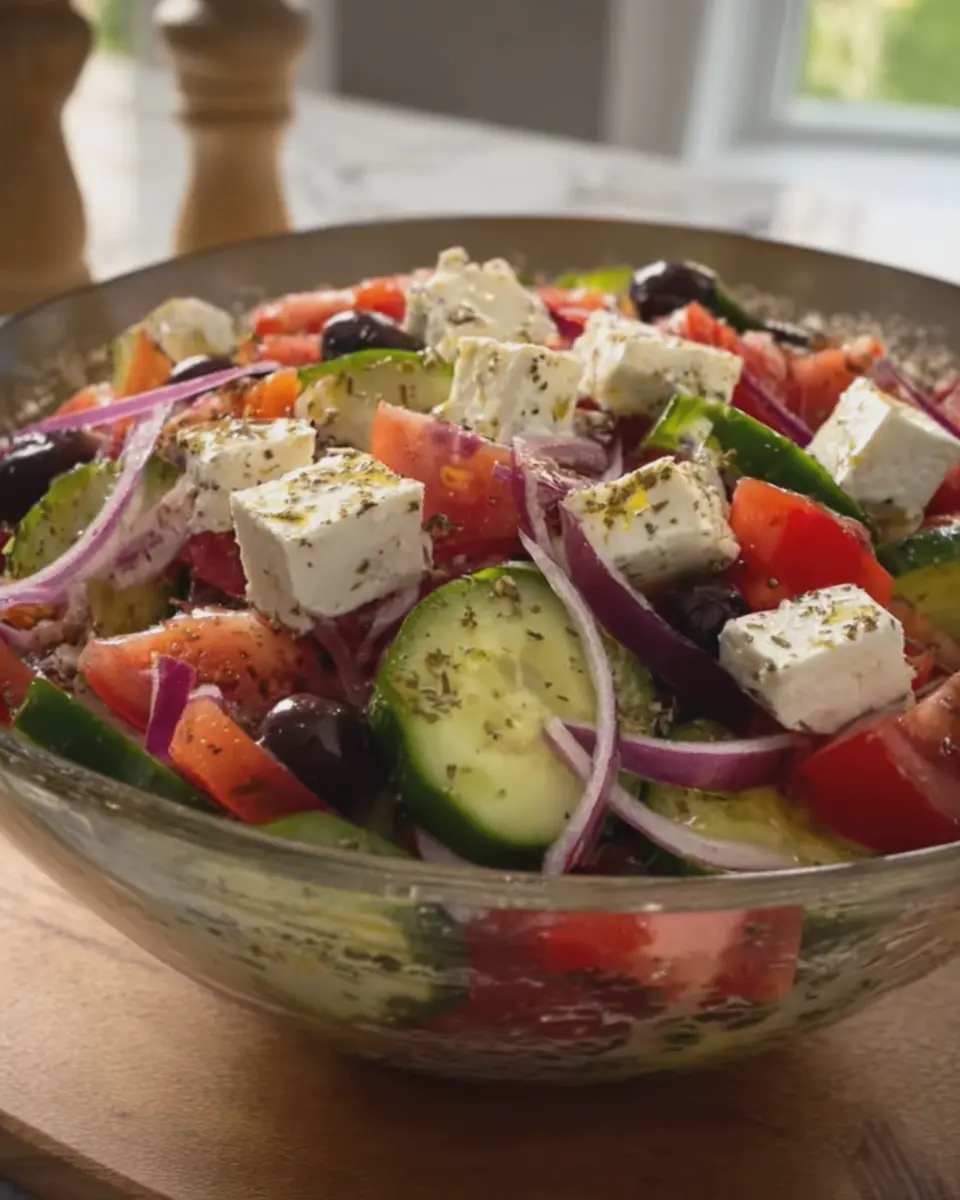
Variations on Classic Greek Salad
When it comes to personalizing a classic Greek salad, there are endless ways to boost its flavor and nutritional value. Let’s explore some fun variations that will take your salad game to the next level!
Adding Protein: Grilled Chicken or Chickpeas
One of the simplest ways to turn a side dish into a satisfying main course is by adding protein.
-
Grilled Chicken: Marinate strips of chicken in olive oil, lemon juice, garlic, and herbs. Grill until crispy and toss them into your salad for that extra savory kick. Did you know that adding protein can keep you feeling fuller longer? Studies show that protein-rich diets can help with weight management.
-
Chickpeas: If you’re looking for a plant-based option, roasted chickpeas are the way to go. Toss canned chickpeas in olive oil and seasonings, then roast them until crunchy. They’re not just flavorful; they’re packed with fiber and protein!
Exploring Flavor: Adding Avocado or Roasted Red Peppers
If you’re feeling adventurous, try adding ingredients that introduce a new textures and tastes to your classic Greek salad.
-
Avocado: Creamy avocado adds richness that balances the crunch of fresh veggies. Plus, avocados are loaded with healthy fats, which are great for your heart!
-
Roasted Red Peppers: These sweet and smoky delights will elevate your salad with a pop of color. You can roast them at home or find jarred versions for a quick addition.
By experimenting with these variations, you can create a personalized Greek salad that suits your taste and nutritional needs. Don’t hesitate to combine ingredients for even more exciting flavor profiles! Want more ideas? Check out this great resource for salad inspiration.
Cooking Tips and Notes for Classic Greek Salad
Choosing the Freshest Produce
When making a classic Greek salad, the freshness of your produce will shine through in every bite. Look for vibrant tomatoes, crispy cucumbers, and aromatic bell peppers. If possible, visit a local farmer’s market for the best selection. Did you know that ripe, in-season vegetables not only taste better but also pack more nutrients? Aim for organic options when you can; not only will they enhance your salad’s flavor, but they’ll also be better for the environment.
The Role of Quality Olive Oil
One of the most crucial aspects of a classic Greek salad is the olive oil. Opt for a high-quality extra virgin olive oil—this elevates your dish like nothing else. A rich, flavorful oil can add a complexity that really ties all the ingredients together. Don’t skimp on this step; you might be surprised to find that the right olive oil can make or break your salad. Try incorporating olive oil brands like California Olive Ranch for a flavorful kick.
With these tips, you’re well on your way to creating a nutritious, delicious Greek salad that everyone will love. Happy cooking!
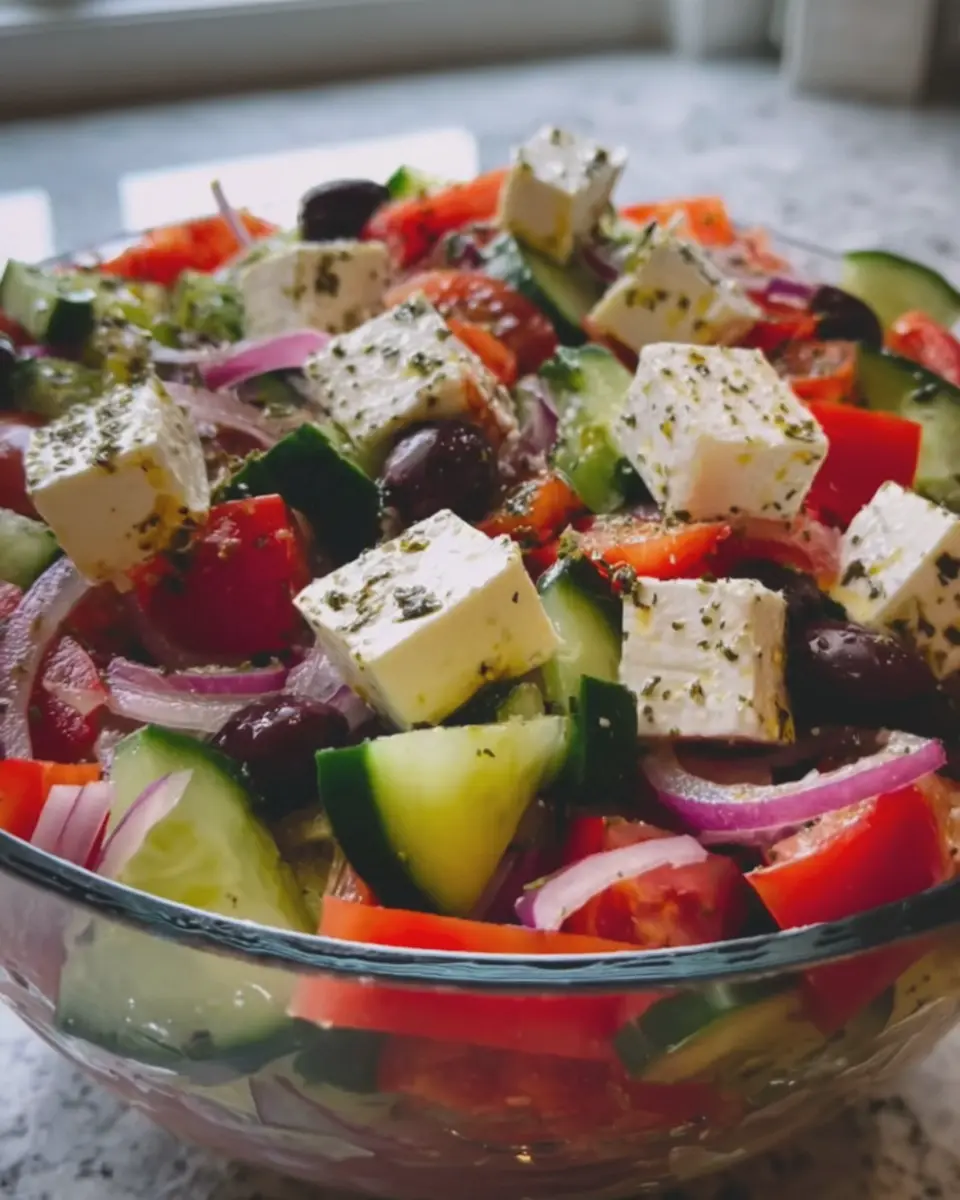
Serving Suggestions for Classic Greek Salad
Pairing with Pita Bread
A delightful way to enhance your classic Greek salad experience is by pairing it with warm, freshly baked pita bread. Its soft and pillowy texture is perfect for scooping up those juicy tomatoes and crisp cucumbers. You can easily make your pita at home or pick up a pack from your local bakery to save time. For added flavor, try toasting the pita until it’s slightly crispy and serving it alongside a dollop of hummus or tzatziki. This not only adds flavor but also can help you feel fuller, making it a great option for lunch or a light dinner.
Best Dishes to Serve Alongside
When it comes to serving a classic Greek salad, you can elevate your meal by considering some complementary dishes:
- Grilled Chicken or Turkey Bacon: This adds a protein boost and pairs wonderfully with the fresh vegetables.
- Stuffed Grape Leaves (Dolmas): These offer a nice Mediterranean touch that aligns beautifully with the salad’s flavors.
- Oven-Baked Falafel: Crispy on the outside and soft inside, falafel brings a satisfying crunch to your meal.
- Roasted Vegetables: A medley of seasonal veggies can add another layer of texture and taste.
Your salad can truly shine as a side with any of these dishes, providing a balanced and colorful meal that everyone will enjoy! For additional inspiration on Mediterranean side dishes, check out Mediterranean Dish.
Time Breakdown for Classic Greek Salad
Preparation time
Making a classic Greek salad is all about freshness and simplicity. You’ll need just about 10–15 minutes to prep your ingredients. This includes washing and chopping the vegetables, slicing the olives, and crumbling the feta. Don’t worry; this won’t take much of your precious time!
Total time
All in all, you’re looking at about 15–20 minutes from start to finish. It’s a quick and easy recipe that perfectly fits into your busy schedule. Whether you’re whipping it up for lunch or serving it as a refreshing side dish at dinner, the classic Greek salad is a winner every time.
For tips on how to choose the freshest produce, check out this guide on seasonal vegetables or learn more about the health benefits of a Mediterranean diet over at Healthline.
Nutritional Facts for Classic Greek Salad
Calories per serving
A typical serving of classic Greek salad contains around 120 calories, making it a fantastic choice for those aiming to maintain a healthy lifestyle without sacrificing flavor. This low-calorie option is perfect for lunch or as a light dinner accompaniment, especially if you’re juggling a busy schedule. It’s easy to whip up and packed with ingredients that nourish rather than weigh you down.
Key nutrients
This salad isn’t just light; it’s also brimming with essential nutrients:
- Vitamin C: Key for boosting your immune system, largely sourced from fresh tomatoes and bell peppers.
- Fiber: Provides digestive benefits, primarily from cucumbers and greens.
- Healthy fats: Olive oil contributes heart-healthy monounsaturated fats.
- Calcium: Feta cheese adds a good amount of this essential mineral, essential for bone health.
Did you know that incorporating more salads into your diet can lead to better overall health outcomes? A recent study highlighted that consuming leafy greens can improve heart health and reduce the risk of chronic diseases (source: Harvard Health). So next time you enjoy this classic Greek salad, you’re not just savoring a delicious dish; you’re also fueling your body with nutrients that matter!
For further reading on the benefits of Mediterranean diets, check out resources from Mayo Clinic.
FAQs about Classic Greek Salad
Can I make Greek salad ahead of time?
Absolutely! Making a classic Greek salad ahead of time can save you valuable moments during busy weeknights or gatherings. Chop your vegetables—tomatoes, cucumbers, bell peppers, and onions—earlier in the day, and mix them just before serving to maintain that fresh crunch. You can also whisk together the dressing in advance, mixing olive oil, lemon juice, and herbs for bright flavors. Just remember to keep your feta cheese separate until serving for that added creaminess!
What’s the best way to store leftovers?
If you happen to have some classic Greek salad leftovers, don’t worry! To keep them fresh, store them in an airtight container in the refrigerator. Ideally, enjoy your salad within 1-2 days to savor the flavors while they’re at their best. If you find the vegetables are losing their crunch, consider adding a splash of fresh lemon juice or a drizzle of olive oil to revive their taste. For more tips on how to keep your salads fresh, check out this expert’s guide.
Is Classic Greek Salad vegan-friendly?
Yes! A classic Greek salad is inherently vegan, making it an excellent choice for plant-based diets. The base of fresh veggies and herbs offers a colorful and nutritious meal without any animal products. However, if you’re adding feta cheese, just swap it out with a vegan cheese alternative or simply enjoy it without cheese! You’ll still have a delicious medley of flavors that captures the essence of Greek cuisine. If you’re curious about more vegan options, visit this great resource.
These FAQs should help ease any concerns or inspire your meal prep. Enjoy your journey in creating a delightful classic Greek salad!
Conclusion on Classic Greek Salad
Emphasizing the Joy of Homemade Meals
Creating a classic Greek salad in your kitchen is not just about eating a nutritious meal; it’s an experience filled with joy and satisfaction. There’s something truly special about preparing your own food, knowing exactly what goes into each bite. When you chop those vibrant veggies and toss them together with rich feta and briny olives, you’re not just making a dish—you’re crafting a masterpiece.
Homemade meals allow for personalization, whether you prefer a zesty vinaigrette or extra herbs like oregano. Plus, making your own salad can be a great way to unwind after a busy day. So why not share the love? Invite friends over for a fresh meal, or pack it for lunch the next day—this classic Greek salad will surely impress.
For more inspiration on healthy eating, check out these resources from the American Heart Association and USDA.
PrintClassic Greek Salad: A Fresh and Easy Twist for Home Cooks
A classic Greek salad featuring fresh ingredients that is easy to make and perfect for any occasion.
- Prep Time: 10 minutes
- Cook Time: 0 minutes
- Total Time: 10 minutes
- Yield: 4 servings 1x
- Category: Salad
- Method: No-Cook
- Cuisine: Greek
- Diet: Vegetarian
Ingredients
- 2 cups chopped cucumbers
- 1 cup cherry tomatoes, halved
- 1 red onion, thinly sliced
- 1 cup Kalamata olives
- 4 ounces feta cheese, crumbled
- 1/4 cup extra-virgin olive oil
- 2 tablespoons red wine vinegar
- 1 teaspoon dried oregano
- Salt and pepper to taste
Instructions
- In a large bowl, combine cucumbers, tomatoes, red onion, olives, and feta cheese.
- In a small bowl, whisk together olive oil, red wine vinegar, oregano, salt, and pepper.
- Pour dressing over the salad and toss gently to combine.
- Serve immediately or refrigerate for 30 minutes to allow the flavors to meld.
Notes
- For a more filling salad, add grilled chicken or chickpeas.
- Feel free to adjust the ingredient quantities based on personal preference.
Nutrition
- Serving Size: 1 cup
- Calories: 250
- Sugar: 3g
- Sodium: 650mg
- Fat: 18g
- Saturated Fat: 5g
- Unsaturated Fat: 12g
- Trans Fat: 0g
- Carbohydrates: 10g
- Fiber: 3g
- Protein: 7g
- Cholesterol: 15mg
Keywords: Classic Greek Salad, salad recipe, fresh salad, Greek cuisine