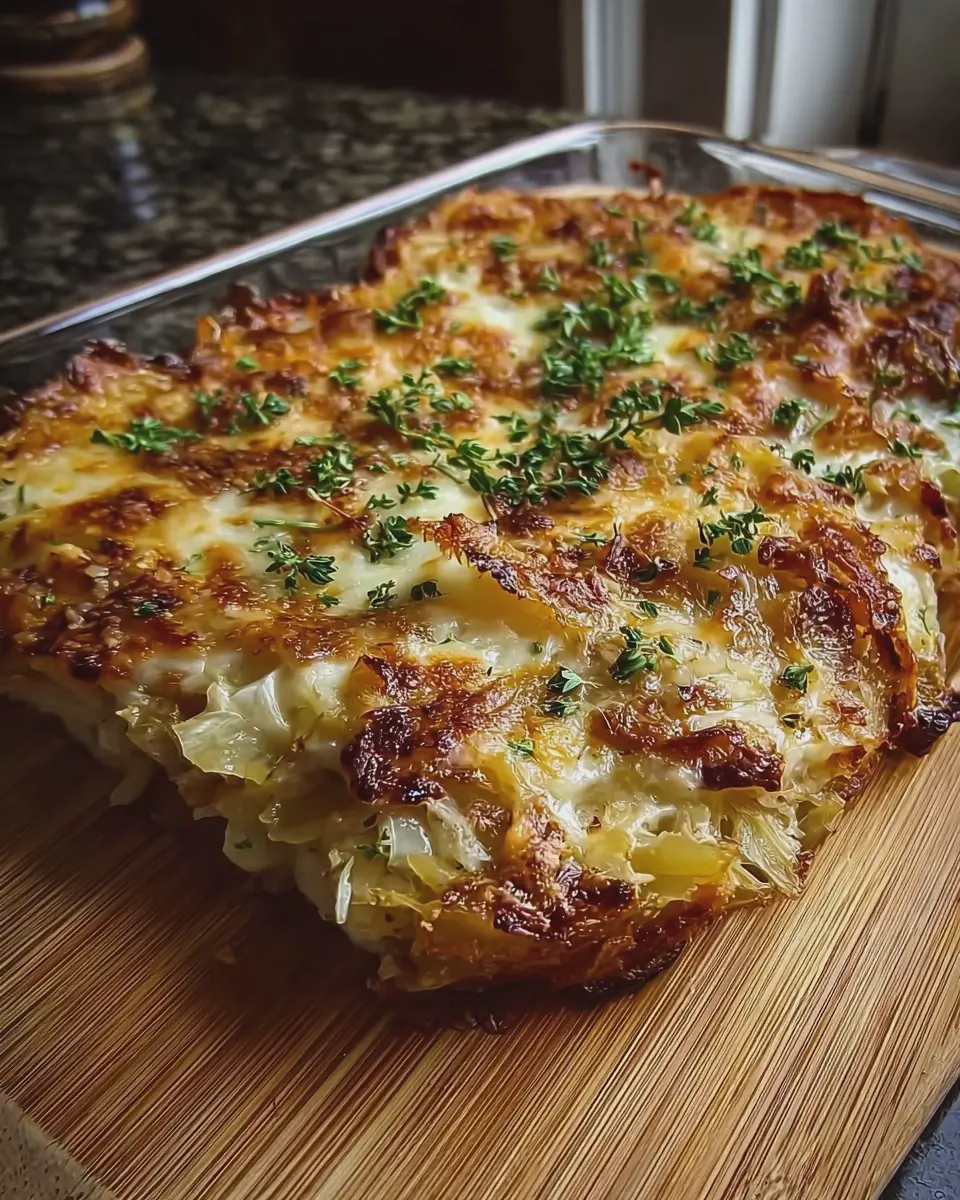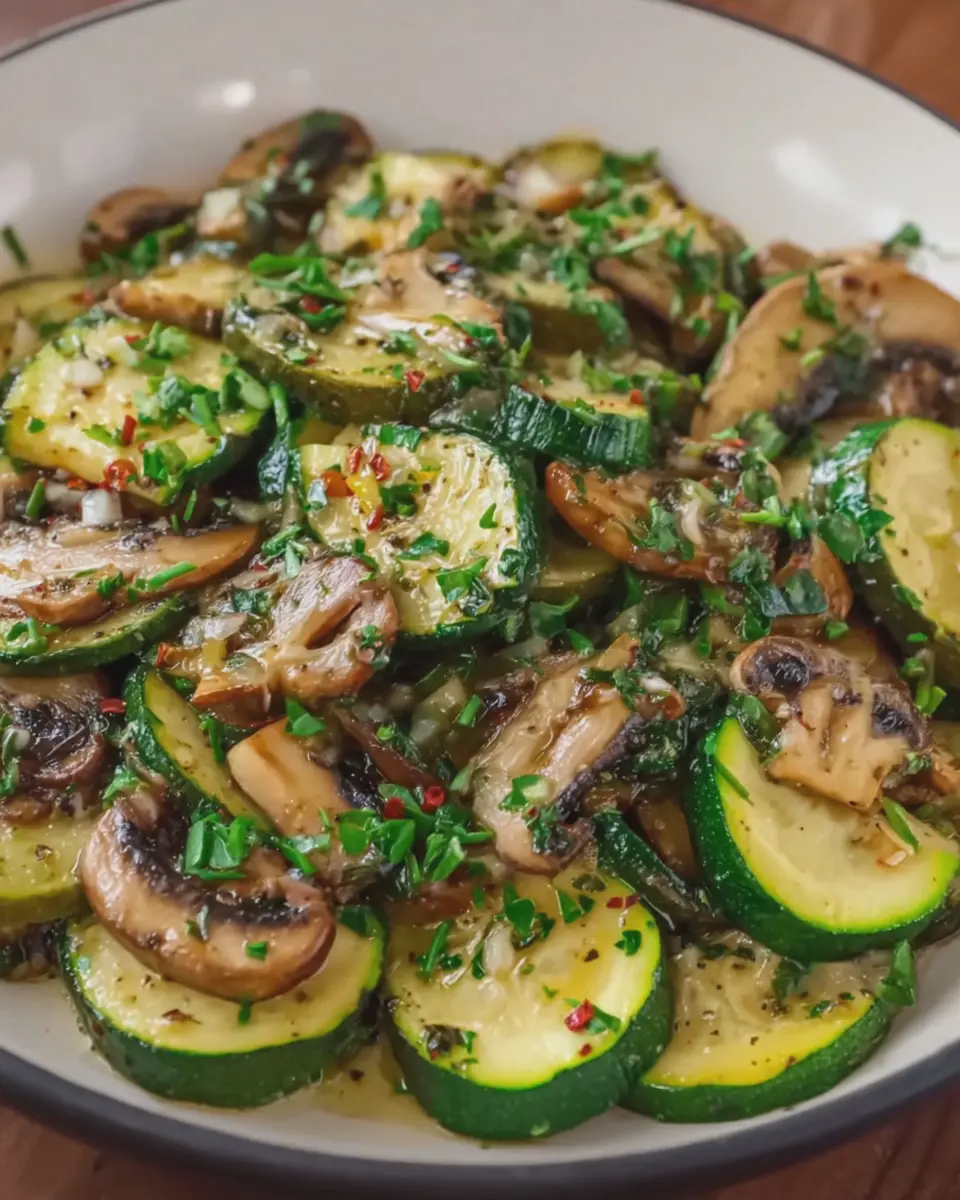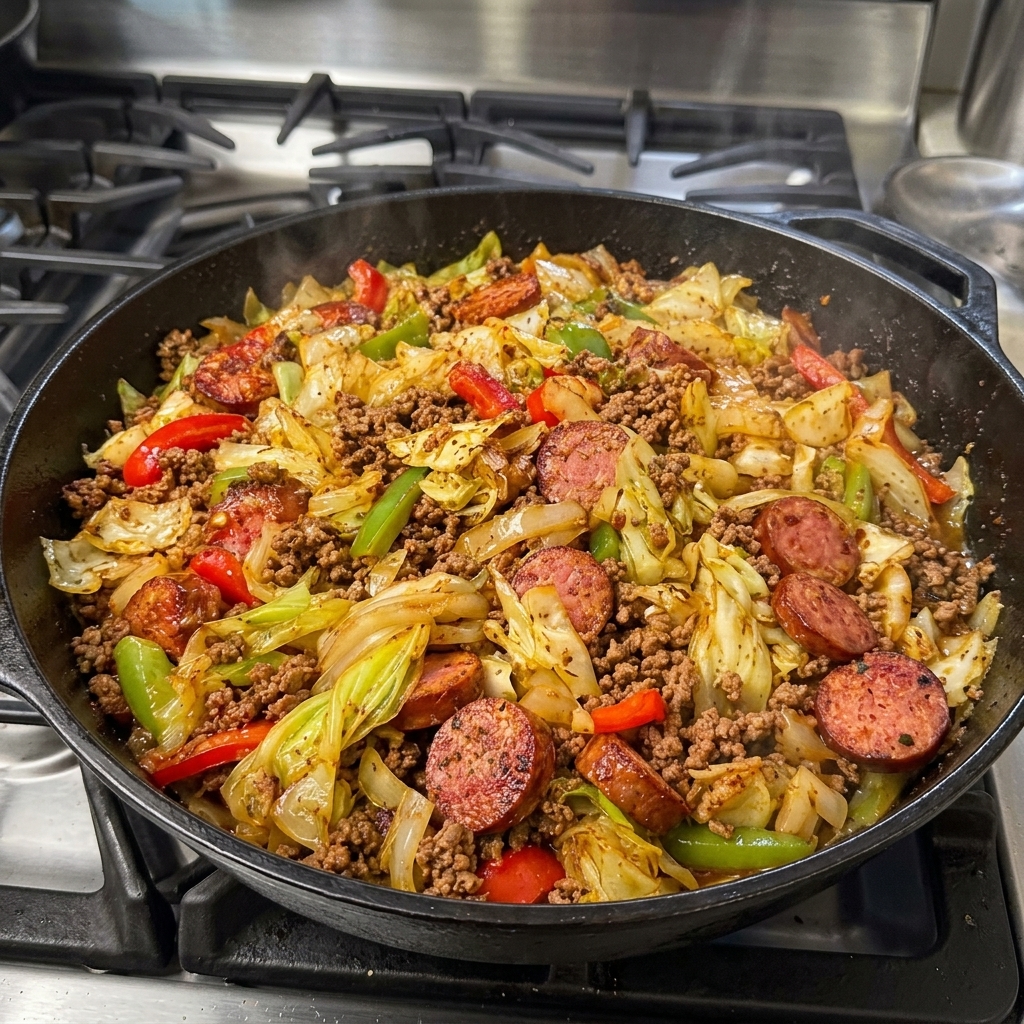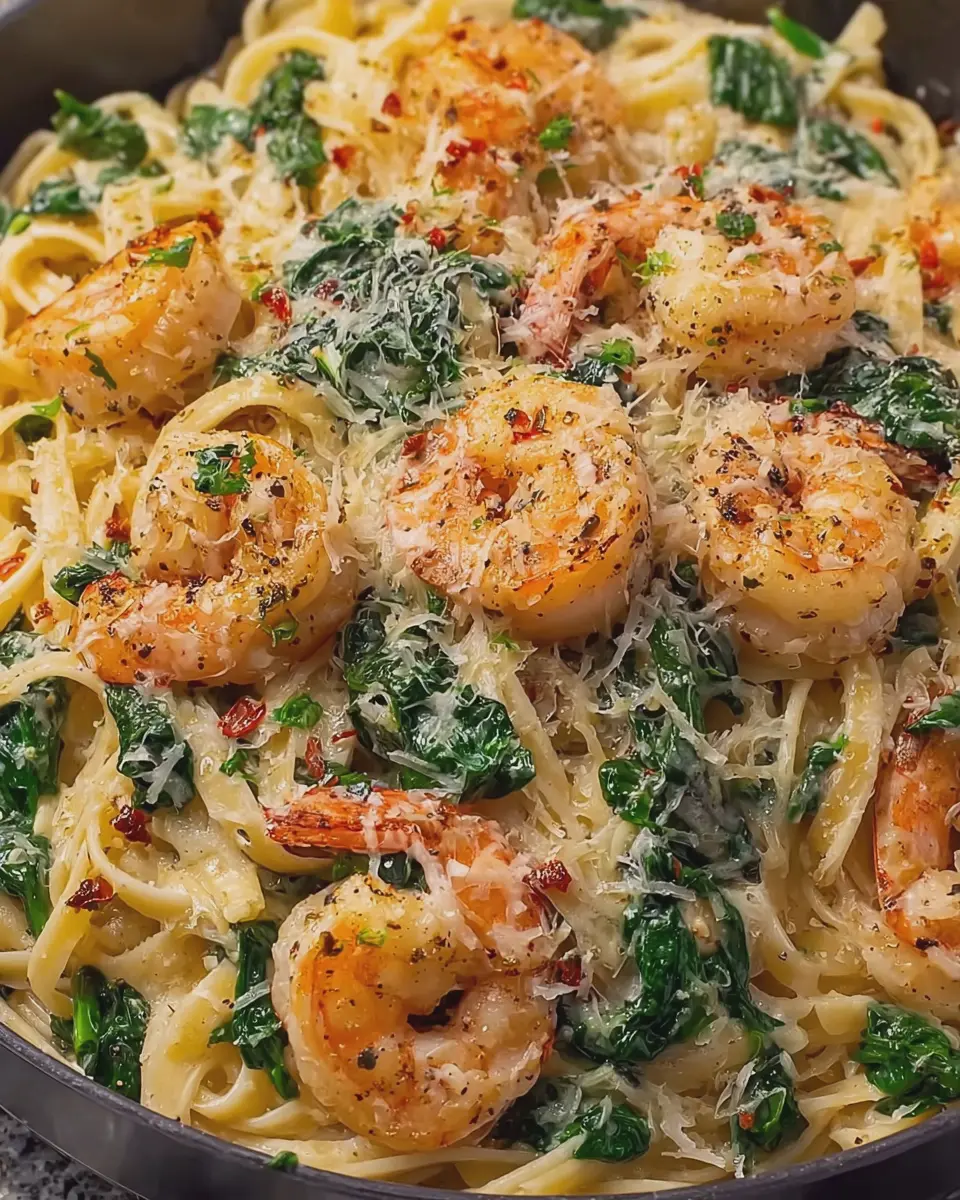
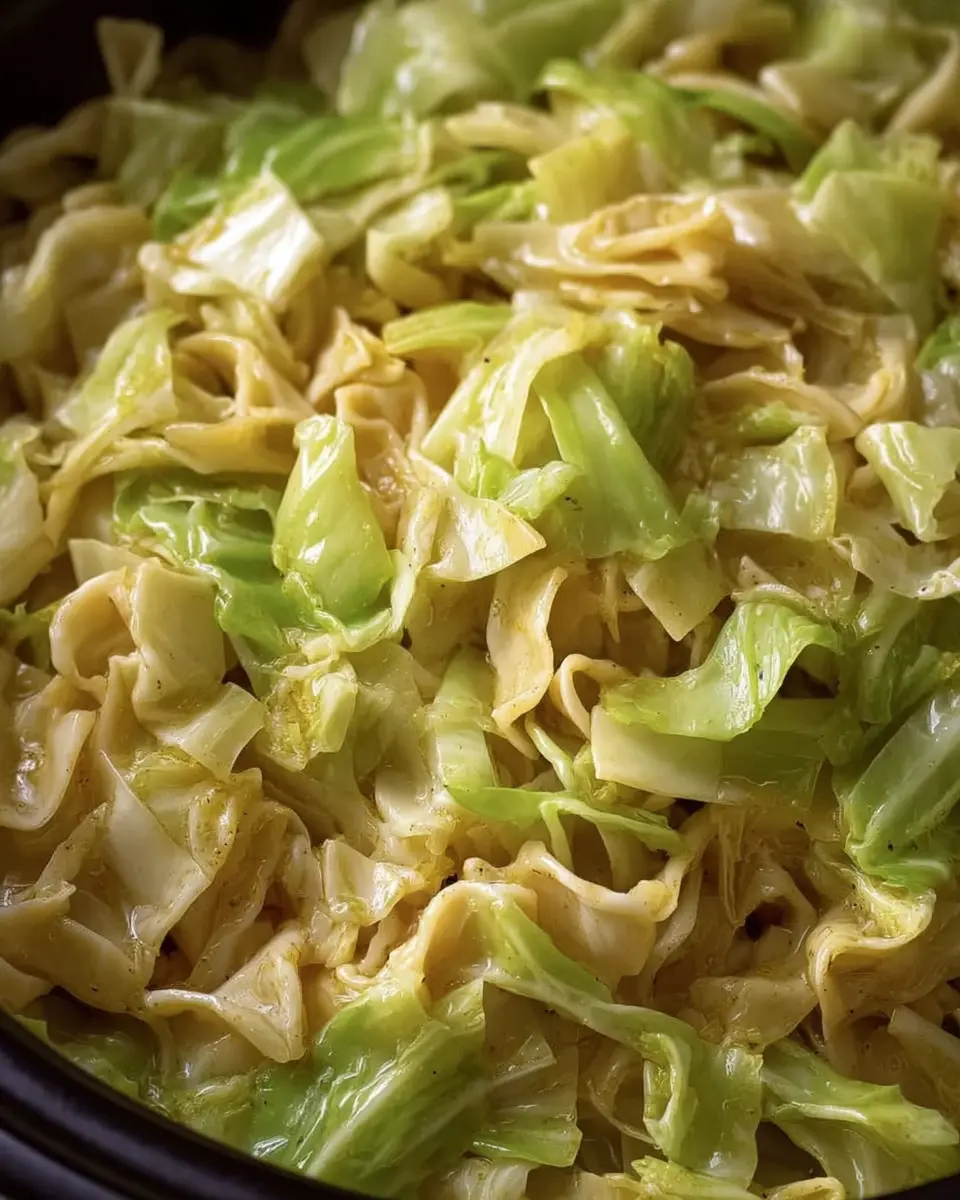
Introduction to Amish Cabbage and Noodles
Why homemade food is ideal for young professionals
In today’s fast-paced world, young professionals often find themselves juggling work, social events, and personal time. Amid this busy life, homemade food is not just a luxury; it’s a necessity. Preparing meals at home, like Amish Cabbage and Noodles, is not only cost-effective but also a healthier choice. Did you know that studies show people who cook at home consume more fruits and vegetables? Not to mention, you can control portion sizes and ingredients, helping you to maintain a balanced diet while saving money.
Moreover, the act of cooking can be therapeutic. After a long day at work, there’s something satisfying about chopping fresh veggies and stirring a warm pot. Cooking allows you to disconnect from screens and embrace a moment of mindfulness, which is increasingly important in our technology-filled lives.
The charm of Amish Cabbage and Noodles
Now, let’s talk about the delightful dish at hand—Amish Cabbage and Noodles, also known as Haluski. This humble yet flavorful dish has its origins in Eastern European cuisine and has been lovingly embraced by Amish communities. It’s a perfect example of comfort food that doesn’t skimp on flavor.
Imagine buttery egg noodles paired with tender sautéed cabbage and your choice of tasty proteins like Turkey Bacon or Chicken Ham. The beauty of this dish lies not only in its simplicity but also in its versatility. You can easily customize it to suit your taste, adding ingredients like sautéed onions or fresh herbs to enhance the flavor.
The charm of Amish Cabbage and Noodles is that it serves as a warm embrace on a chilly day, invoking feelings of nostalgia and home-cooked goodness. Its origins make it a conversation starter, too, especially if you share how it has roots in various cultures, from Polish to Czech.
If you’re ready to bring a taste of Amish tradition to your kitchen, gather your ingredients and prepare for a satisfying meal that’s sure to impress not just you but also anyone you share it with. For tips on ingredient selection and cooking techniques, feel free to check out resources like the Food Network.
Let’s dive into the recipe and create some magic in your kitchen!
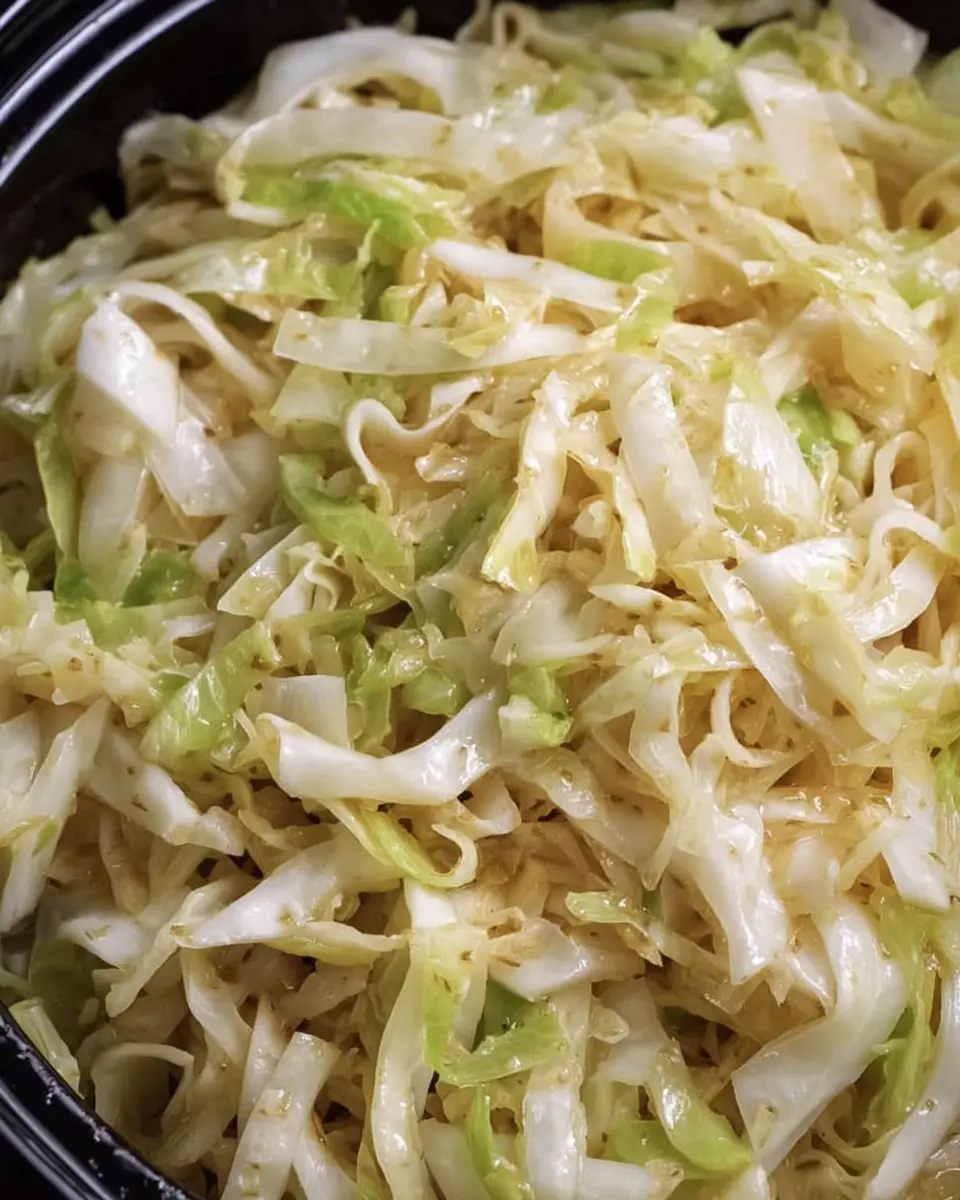
Ingredients for Amish Cabbage and Noodles
Creating the perfect Amish Cabbage and Noodles dish starts with selecting the right ingredients. Below is a list that will help you bring this comforting recipe to life.
Fresh Produce
- Cabbage: 1 medium head, finely shredded
- Onions: 1 large, diced for that sweet undertone
Noodles
- Egg Noodles: 12 ounces, a hearty base for our dish
Meats
- Turkey Bacon: 4 strips, chopped, for a smoky flavor
- Chicken Ham: 1 cup, diced, bringing a savory richness
Dairy
- Butter: 4 tablespoons, for sautéing and added creaminess
- Salt and pepper: To taste, enhancing all the flavors
Seasoning
- Garlic powder: 1 teaspoon, to add depth
- Olive oil: A splash for crisping up the noodles
With these simple yet essential ingredients, you’ll be on your way to mastering Amish Cabbage and Noodles. If you’re curious about the nutritional benefits of cabbage, check out this insightful article from Healthline. Now, gather your ingredients, and let’s get cooking!
Step-by-step Preparation of Amish Cabbage and Noodles
Cooking is not just about following a recipe; it’s about creating memories and sharing comfort food with loved ones. Amish Cabbage and Noodles, also known as Haluski, is a traditional dish that embodies warmth and simplicity. Let’s dive into a step-by-step preparation that’s suitable for anyone, whether you’re a seasoned chef or a culinary novice.
Prepare the cabbage
First things first—let’s get that cabbage ready! You’ll need about half a head of green cabbage for this recipe.
- Clean and Core: Rinse the cabbage under cold water to remove any dirt. Cut it in half, remove the core, and then slice it into thin strips.
- Soften the Cabbage: Place the cabbage in a large bowl and sprinkle a little salt over it. Let it sit for about 10 minutes. This process will draw out some moisture and allow the cabbage to soften, making it easier to sauté later.
By allowing the cabbage to sweat a little, you’ll have that perfect tender texture later on. Pro tip: If you’re curious about the health benefits of cabbage, check out this nutritional guide for more insights!
Cook the egg noodles
While the cabbage is softening, it’s time to cook the egg noodles, the other star ingredient of Amish Cabbage and Noodles.
- Boil Water: Bring a large pot of water to a rolling boil. Add a generous pinch of salt—this will flavor the noodles as they cook.
- Cook the Noodles: Pour the egg noodles into the boiling water and cook according to the package instructions (usually around 7-9 minutes). Try not to overcook them; they should be al dente since they will continue cooking when combined with the cabbage.
Once they’re done, drain them using a colander but don’t rinse. You want that starchy coating for better adherence to the cabbage!
Sauté the cabbage
Now it’s time for the heart of the dish—sautéing the cabbage.
- Heat Your Pan: In a large skillet, melt about 4 tablespoons of butter (or you can use olive oil for a lighter option) over medium heat.
- Cook the Cabbage: Once the butter has melted and is bubbly, add your softened cabbage. Stir occasionally, allowing it to become tender and golden, which usually takes about 10-12 minutes.
- Add Flavor: For that extra oomph, consider adding 2-3 slices of chopped turkey bacon or chicken ham during this step. They will add a delightful smoky flavor that enhances the overall dish.
Combine noodles and cabbage
With the cabbage perfectly sautéed, it’s time to bring the dishes together, literally!
- Mix Them Together: Add the cooked egg noodles to the skillet with the cabbage. Ensure you mix them well so that the flavors meld beautifully.
- Toss and Cook: Gently toss everything together for a few minutes over low heat. This will allow the noodles to absorb some of that delicious cabbage flavor.
Season and serve
You’re almost there! The last step is all about seasoning and making it ready for your dinner table.
- Final Touches: Add salt and pepper to taste, and toss in some freshly chopped parsley for a pop of color. If you like a kick, a pinch of red pepper flakes can elevate the dish’s flavor.
- Serving Suggestions: Serve your Amish Cabbage and Noodles hot, straight from the skillet. It pairs beautifully with a side salad or even crusty bread to soak up all those tasty flavors.
This simple yet flavorful dish is sure to be a hit at your next dinner gathering. It’s comforting, satisfying, and reminds you of home-cooked meals. Enjoy!
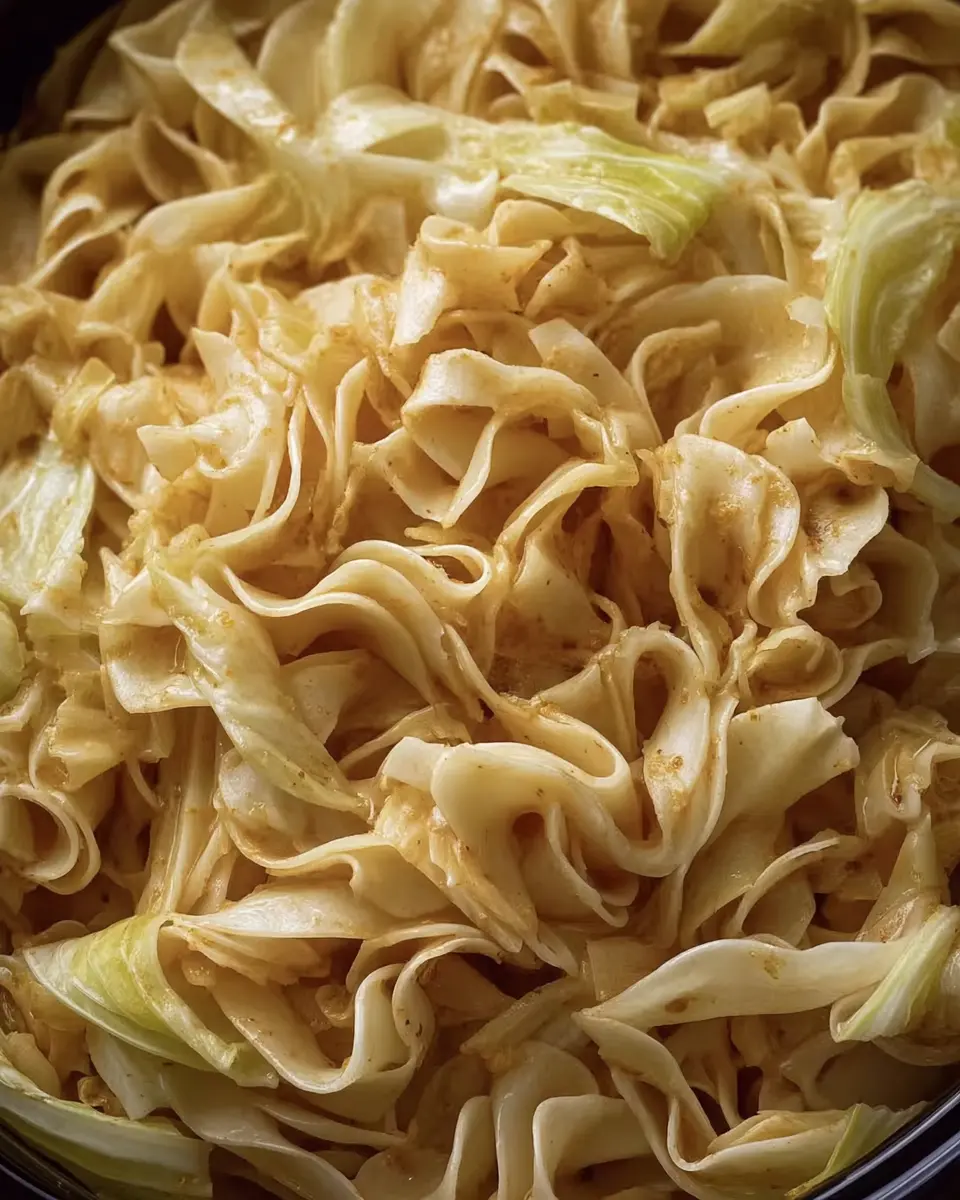
Variations on Amish Cabbage and Noodles
Adding Turkey Bacon for Extra Flavor
Looking to elevate your Amish Cabbage and Noodles? Think about incorporating turkey bacon! This alternative offers a smoky, savory quality without the heaviness of traditional bacon. When you cook the turkey bacon until crispy, it adds a delightful crunch that beautifully complements the tender cabbage and soft noodles.
To try this variation, simply dice and sauté the turkey bacon before adding your cabbage to the pan. Consider using lower-sodium turkey bacon to keep the dish lighter, or experiment with different flavors, like applewood smoked, for a unique twist. You might even discover that you prefer the flavor profile of turkey bacon over its pork counterpart!
Incorporating Chicken Ham for a Heartier Dish
If you want your Amish Cabbage and Noodles to become a more filling meal, consider incorporating chicken ham. This leaner meat options provides a lovely depth while maintaining the dish’s comfort-food vibe. The sweetness of the cabbage combined with the savory notes of chicken ham makes for an irresistible combination.
Here’s a simple way to do it: chop the chicken ham into small pieces and sauté it with the onions before you add the cabbage. This method not only flavors the dish but also ensures that each bite is hearty and satisfying.
Adding these variations can transform your Amish Cabbage and Noodles into something special and can help you impress even the pickiest eaters at your table. For more insights on creative cooking, check out The Flavor Bible, which offers a wealth of ideas for flavor pairings.
Whichever variation you choose, you’ll appreciate how each simple tweak can positively impact your dining experience!
Cooking Tips and Notes for Amish Cabbage and Noodles
When preparing Amish Cabbage and Noodles, there are a few key tips to elevate this comforting dish:
-
Choose Fresh Ingredients: The quality of your cabbage greatly impacts the final flavor. Look for firm heads with vibrant leaves. Seasonal produce from local farmers’ markets is always a great option!
-
Lightly Cook the Cabbage: Sautéing the cabbage until just tender allows it to retain some crunch, adding texture to your meal. Aim for a golden hue, as this enhances flavor without overcooking.
-
Swap for Turkey Bacon or Chicken Ham: For healthier alternatives, try using Turkey Bacon or Chicken Ham. These options provide that savory flavor without the heaviness of traditional meats, making your dish lighter yet delicious.
-
Adjust the Seasoning: Remember that everyone’s palate is different. Taste and tweak your seasoning, whether it’s salt, pepper, or a sprinkle of paprika for warmth.
Cooking is about exploration—play around with different ingredients, and share your experiences with others! For more on cooking techniques, consider exploring the resources available on sites like Food Network or America’s Test Kitchen. Happy cooking!
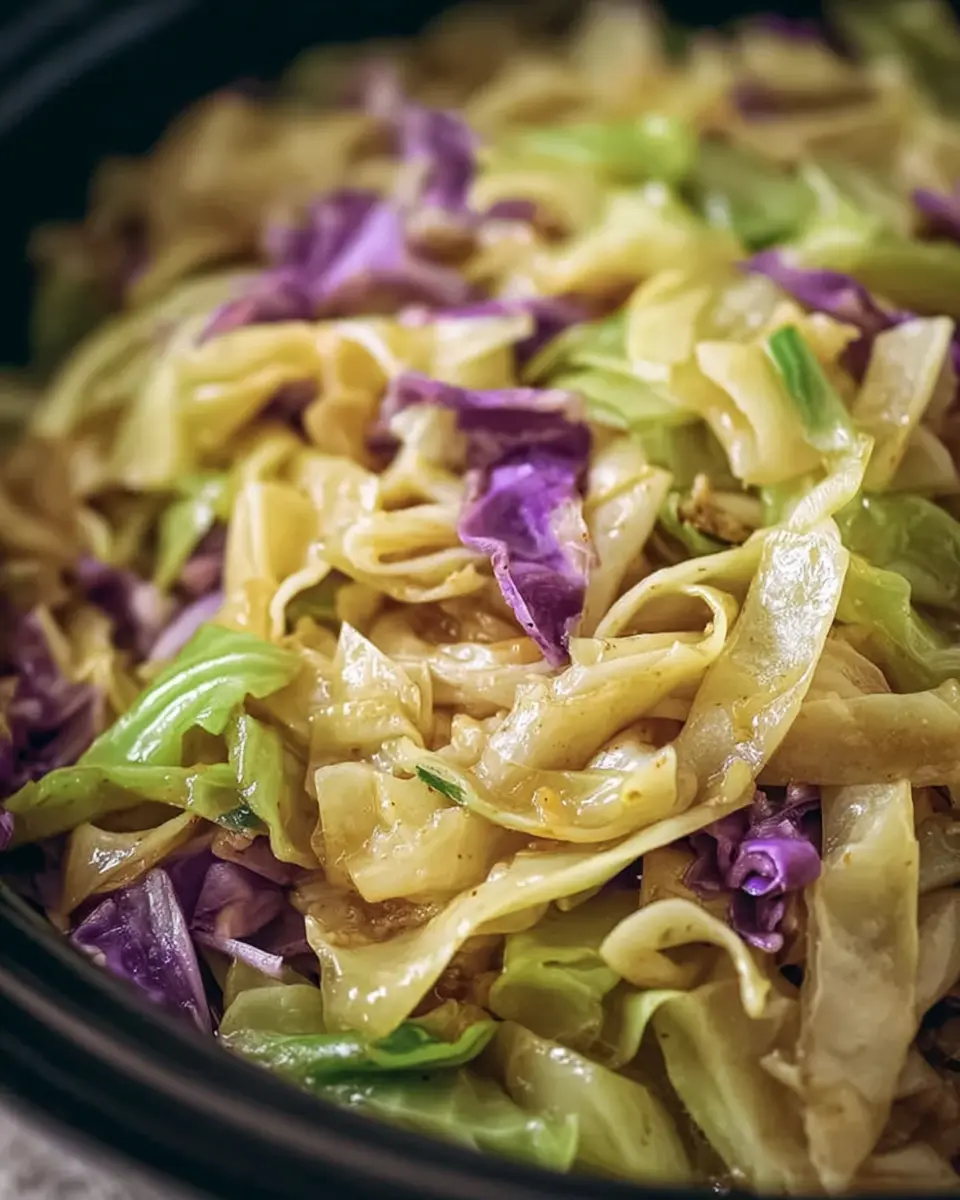
Serving Suggestions for Amish Cabbage and Noodles
When it comes to serving Amish Cabbage and Noodles, the comfort of this dish makes it incredibly versatile. Here are some delightful ways to elevate your meal:
Pairing with Proteins
Enhance your dish by adding proteins that complement the rich flavors. Consider:
- Turkey Bacon: Its smoky flavor adds a delicious twist. Simply sauté it until crispy and toss it with the noodles and cabbage for extra depth.
- Chicken Ham: This option maintains that savory goodness while keeping things light. Fold in pieces into the mixture during cooking for a seamless flavor infusion.
Consider a Side or Salad
A light side salad or roasted vegetables can serve as a refreshing contrast. Think mixed greens with a zesty lemon vinaigrette or crispy Brussels sprouts seasoned with garlic.
Create a Flavorful Sauce
For extra indulgence, drizzle a homemade herb-infused olive oil or a creamy garlic sauce over the top. It adds a gourmet touch that’ll make your guests swoon.
Explore more about incorporating vibrant sides in your meals at EatingWell or get some sauce inspiration from Serious Eats.
Incorporating these serving suggestions will not only boost the flavors but also turn your Amish Cabbage and Noodles into a heartwarming gathering centerpiece. Happy cooking!
Time Breakdown for Amish Cabbage and Noodles
Preparation Time
Getting organized is key when making delicious Amish Cabbage and Noodles. Allow about 15 minutes to prep your ingredients. You’ll want to chop the cabbage, cook the turkey bacon or chicken ham, and set everything else within reach. Having everything on hand can really streamline your cooking process.
Cooking Time
Once you’re all prepped, the cooking itself takes around 25 minutes. This includes sautéing the cabbage and noodles together until they’re perfectly tender and coated with flavor. As a side note, maintaining a medium heat helps to achieve a beautiful caramelization without any bitter notes.
Total Time
When you put it all together, the total time for making this comforting dish comes to about 40 minutes. It’s amazing how quickly you can whip up a family-friendly meal that celebrates traditional flavors. For more tips on meal prepping, check out this helpful resource.
So, are you ready to dive into the kitchen and create some comforting, soul-warming Amish Cabbage and Noodles?
Nutritional Facts for Amish Cabbage and Noodles
When diving into the world of Amish Cabbage and Noodles, understanding the nutritional content can help you enjoy it guilt-free. Here’s a quick breakdown of what’s packed in this comforting dish:
Calories
A typical serving contains around 250-300 calories, making it a satisfying option without overshooting your daily intake.
Protein
One serving usually provides about 8-10 grams of protein, thanks to the noodles and any added ingredients like Turkey Bacon or Chicken Ham. It’s an excellent way to incorporate protein into a veggie-forward meal!
Sodium
Watch your sodium levels, as a serving may have roughly 500-600 mg. If you’re watching your sodium intake, consider using low-sodium broth or seasoning sparingly.
For more insights on healthy eating, check out the USDA’s Dietary Guidelines. Enjoy making this hearty dish while being mindful of your nutritional choices!
FAQs about Amish Cabbage and Noodles
Can I make Amish Cabbage and Noodles ahead of time?
Absolutely! One of the beauties of Amish Cabbage and Noodles is that it tastes even better the next day. Preparing it a day in advance allows the flavors to meld beautifully. Simply follow the recipe, let it cool, and store it in an airtight container in the fridge. When you’re ready to serve, gently reheat it on the stove, adding a splash of vegetable broth if needed for moisture.
What are some good side dishes to serve with this recipe?
While Amish Cabbage and Noodles is hearty on its own, pairing it with a light salad or some protein can create a well-rounded meal. Here are some top choices:
- Garlic Roasted Chicken: The savory flavors complement the dish perfectly.
- Steamed Green Beans: A simple side packed with nutrients that adds a nice crunch.
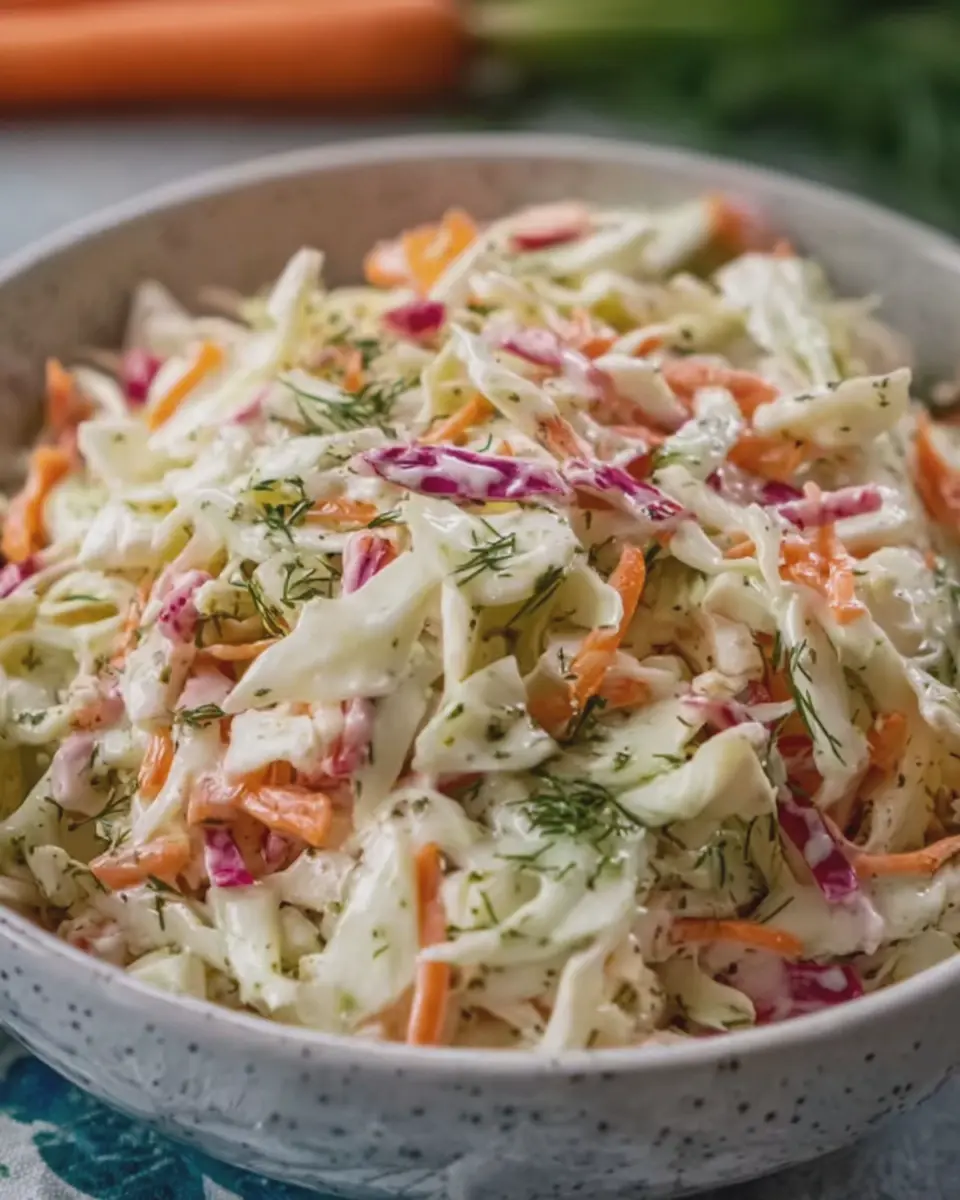
- Coleslaw: The tangy bite enhances the sweetness of the sautéed cabbage.
For more ideas on perfect pairings, check out this resource on side dishes.
How can I store leftovers?
Leftover Amish Cabbage and Noodles can be stored in the fridge for up to four days. Just make sure to transfer it to an airtight container. If you want to keep it longer, consider freezing it! Freeze portions in freezer-safe bags, ensuring to squeeze out as much air as possible. Thaw overnight in the fridge before reheating.
Remember, food safety is key! For more tips on food storage, visit foodsafety.gov.
With these tips, you can enjoy your Amish Cabbage and Noodles days after making it, making it a fantastic meal prep option!
Conclusion on Amish Cabbage and Noodles
After diving into the delightful, comforting world of Amish Cabbage and Noodles, it’s clear why this dish has been a cherished tradition. It’s not just about the ingredients; it’s about the memories created around the table, sharing stories and laughter. Whether you opt for Turkey Bacon or Chicken Ham, each version brings a unique flair to this classic recipe.
Make sure to enjoy every bite and perhaps share your experience with friends or on your favorite food blog. Curious about variations? Try adding roasted garlic or fresh herbs for an extra kick. For more on Amish cuisine, explore resources like Amish Cooking that celebrate these flavors and traditions.
PrintAmish Cabbage and Noodles: Easy Haluski with Turkey Bacon
A delicious and easy recipe for Amish Cabbage and Noodles (Haluski) made with turkey bacon.
- Prep Time: 10 minutes
- Cook Time: 20 minutes
- Total Time: 30 minutes
- Yield: 4 servings 1x
- Category: Main Dish
- Method: Stovetop
- Cuisine: American
- Diet: Gluten Free
Ingredients
- 1 head cabbage
- 8 ounces egg noodles
- 4 slices turkey bacon
- 2 tablespoons butter
- 1 teaspoon salt
- 1/2 teaspoon black pepper
Instructions
- Chop the cabbage and set aside.
- Cook the egg noodles according to package instructions.
- In a skillet, cook the turkey bacon until crispy, then remove and crumble.
- Add butter to the skillet and sauté the cabbage until soft.
- Combine the noodles, cabbage, and bacon in a large pot.
- Season with salt and pepper, then serve warm.
Notes
- For additional flavor, consider adding onions or garlic.
Nutrition
- Serving Size: 1 bowl
- Calories: 350
- Sugar: 3g
- Sodium: 500mg
- Fat: 15g
- Saturated Fat: 4g
- Unsaturated Fat: 10g
- Trans Fat: 0g
- Carbohydrates: 45g
- Fiber: 4g
- Protein: 10g
- Cholesterol: 20mg
Keywords: Amish, Haluski, Cabbage, Noodles, Turkey Bacon